Category: Work/Career/Mission

  • Building a Community in Interesting Times: Christian Moran on Grant Town’s Cities of the Future

    Building a Community in Interesting Times: Christian Moran on Grant Town’s Cities of the Future

    Walt Disney was really onto something.

    No, not just the theme parks, or the movies, or the iconic characters. This endlessly fascinating human being took stock of society in the 50’s and 60’s, noticing the exodus from the cities into the suburbs and thought: we can do better.

    What he came up with was EPCOT ― a design for better living. The Experimental Prototype Community of Tomorrow was Walt’s response to the disintegration of modern cities, as those who could afford it fled to the outlying suburbs. As futurist R. Buckminster Fuller put it, Walt wanted to ‘…build a new model that makes the existing model obsolete.’

    It’s this model that forms the foundation of the Grant Town Experimental Community’s ideas for a better way in which our society can live. GTEC’s Christian Moran, also a Walt Disney historian, presented these ideas and more when he spoke about the community’s vision at the Grant Town Summit in 2019. ‘We live in interesting times,’ he said, smiling as he noted that some people find this to be ‘a curse’. Automation and Artificial Intelligence (AI) are radically disrupting our way of living, such as by having the potential to increase mass unemployment to 50% by 2045.

    However, as Christian pointed out, the purpose of Automation and AI is to ‘reduce human labor’. And so our society finds itself at a crossroads, where we can continue as we are, with a polarized society, particularly economically. Or, we could reconsider this situation as ‘a new threshold for humanity.’

    Was Christian talking about utopia? Yes, but not a concept of unreachable perfection. Rather, a city where poverty doesn’t exist, giving people the opportunity to self-actualize and reach their full potential.

    Christian referenced the 1970’s vision of R. Buckminster Fuller to further expand on his 21st century approach. Fuller asked: why not make a world where everyone can make it? We have the technological, natural and educational resources to feed, clothe, house, educate and fulfill every human on the planet. Why not build a city of the future that does just that?

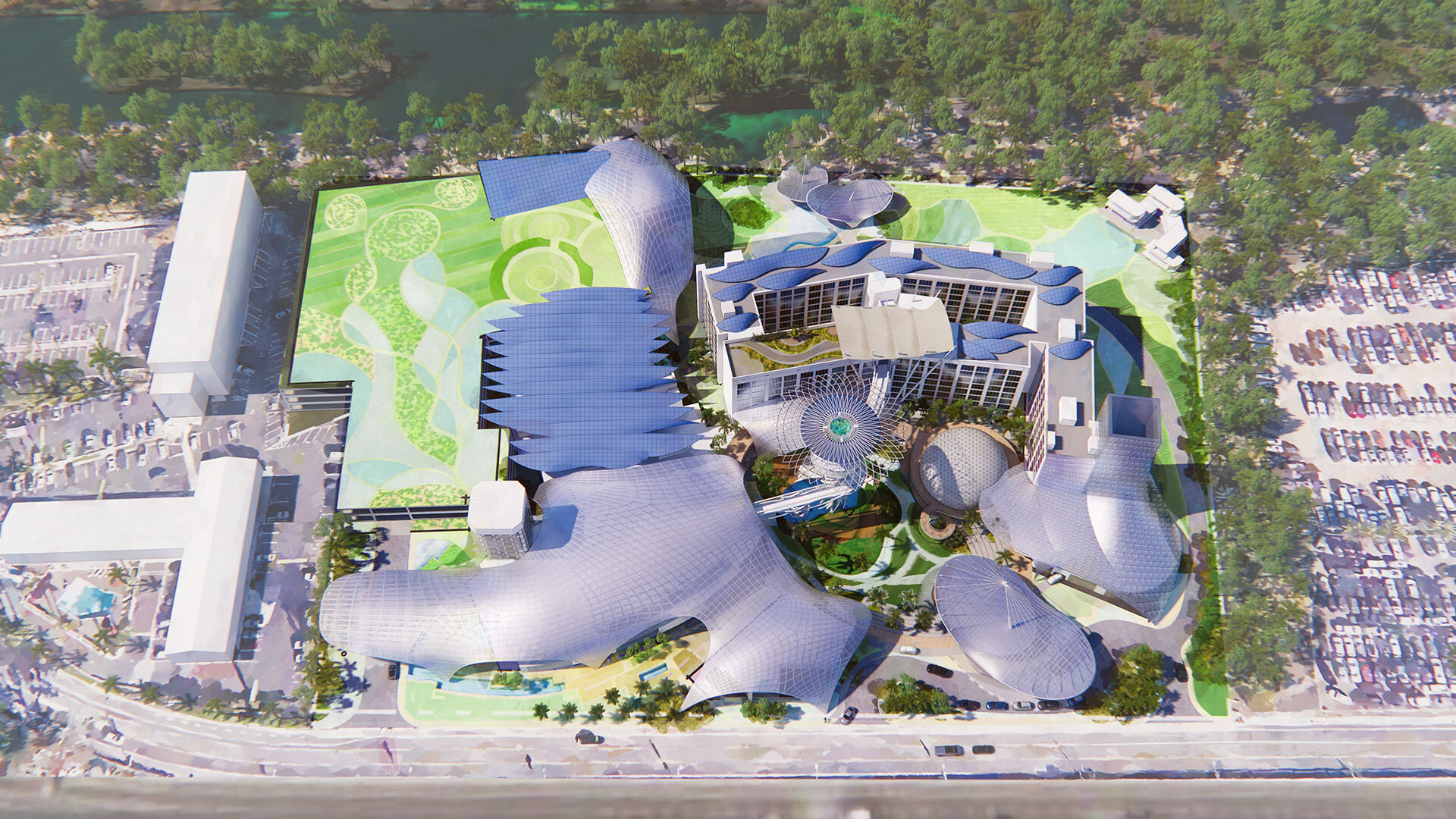
    This is what Walt Disney was trying to do in his final project. His community design featured a focal central point with hotels and retail, surrounded by offices, high density apartments, green spaces and outlying single dwelling homes.

    If you want to learn more about the concept of the proposed town of the future, please check out this video presentation by Mel McGowan, Chief Creative Officer of Storyland Studios and Lead Architect for Grant Town’s G.T.E.C. Project.

    Additionally, you can check out Christian’s demo of the Grant Town city of the future, a community that uses emerging technologies to simulate life several decades from now, as well as a place where every person has the opportunity to self-actualize and create the life they want for themselves.

  • Privacy. A Guide for living a Spyware Free Life

    Privacy. A Guide for living a Spyware Free Life

    Online privacy, also known as internet privacy or digital privacy, refers to how much of your personal, financial and browsing information remains private when you’re online.

    Online security is not a subject to take for granted in this tech-savvy 21st century. Everyone is busy downloading or uploading data on the internet, exposing themselves to various cybercriminal attacks. By clicking on any suspicious link or visiting a disguised site, you could lose a chunk of data you have worked all your career life to generate.

    As businesses remain vigilant about cybersecurity issues, people are finding interest in the many ways they can safeguard their data while operating on the digital space. With that in mind, this article can help you stay anonymous online while keeping your data secure.

    This has become a growing worry, with browsing history and personal data all potentially at risk when online. Staying one step ahead, people usually set up a virtual private network (VPN) that gives you online privacy and anonymity by creating a private network from a public internet connection. VPNs mask your internet protocol (IP) address so your online actions are virtually untraceable.

    But one thing people do not realize is that a VPN won’t protect you from any type of spyware or malicious data people might come in contact with during their interactions online. Most of the spyware attacks are actual reverse shell connections, where a malicious piece of data executes a command that will connect your device to the attacker.

    More on how reverse shell connection works in this video.

    If you want to stay ahead of spyware and surveillance technology, you should consider some reliable reverse shell reversing options. Practically, there are 2 common ways people are using to stay safe from spyware attacks.

    One idea is to set up a Virtual Machine on your device, which pretty much means that you’ll be setting up a complete OS that will run on top of your operating system, that will run in a virtual sandbox and restore to its defaults for each new session.

    This can be also done on any PC running Linux if you decide to install one of the many privacy-focused distributions like ParrotOS, Kali, MOFO Linux, Tails, Qubes OS or others. These distributions have a built-in feature often referred to as Amnesia, which means that your device always starts from the same clean state and everything you do disappears automatically when you shut down the device.

    But that means it’s somewhat difficult to install and run any software on these distributions, as you have to be skilled enough to include your personal files and software in the installation so it won’t get deleted when you shut down your device.

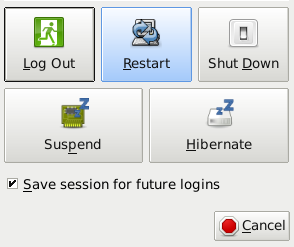
    As of recent, all XFCE desktop builds such as Manjaro, Fedora, Debian, Mint, etc., contain a feature that, when turned on, will immediately clear and wipe all data from the current user session and render it permanently gone. This feature can be activated in settings and you will be prompted if you want to save this session for future logins on your shut down screen.

    Most Linux Distros can be configured to automatically wipe the Bash History on session end, and this will also remove most spyware, malware and shell connections to then return to the original OS version it started with. In case you need to update software or save some files you trust, you can do this by booting up your device, running a software update, and rebooting it to save the session for any future logins. This will create an updated XFCE reference and run its most recent updated version for all your apps.

    In sessions where you would have been exposed to online threats just end your session with a reboot without saving this session for future logins, and that will destroy all your data, cache, and any history created during your session. Data can be exported to a trusted point or cloud as long as you always install new software after a safe restart to a trusted session.

    When it comes to phones, running DeGoogled Android can seem like the ultimate privacy solution, however, this will only solve Google tracking woes, and they can become impractical as most of the apps you would be using would rely on Google Play services to run. With some dependency patches, apps will most likely be able to run without Google Play services and instead, rely on other services like Amazon, Huawei or any other companies that have created and released an independent app store.

    The e/ project is the most popular among the DeGoogled options that provide current Android versions with the stock Android apps and zero bloatware. However, e/ still runs an Android version that is severely susceptible to spyware attacks much like the one that affected Pegasus or an independent shell hack attack.

    And lastly, since PostMarketOS was released, there is a real Linux distribution available for phones and more than 200 devices are supported by this time. It is easy to set up and to use on your phone as the installation process requires configuring your device to accept custom ROM images. It can be flashed to nearly any device with the TWRP recovery and the TWRP setup for all devices is highly documented.

    Using PostMarketOS is currently suitable for more tech-savvy users and users that have more experience with Linux in general. In terms of privacy, PostMarketOS can be configured to wipe all user and session data on each reboot. You can also run your favorite Android Apps inside the Anbox Virtual Machine, thus making it extremely difficult for spyware that you are attacked with, in your android VM to roll over to your actual OS on the device.

    There are a ton of devices popping up on the market that come with Linux installed off the shelf. My favorite are the Pine64 community projects called the Pinebook Pro, a $200 laptop that is powered by an old smartphone chip on a Raspberry Pi-like board, and its handheld sibling the PinePhone. These devices offer subpar performance but their main perks are privacy rather than performance.

    The Librem 5 is another smartphone that comes with a Linux distro out of the box and its most important feature is the privacy bolstered with the hardware kill switches for network, camera, mic, radio, GPS etc.

    System76 also sells rebranded Clevo Laptops and Desktop units that have a custom Linux distro on them that encourages gaming.

    Privacy protects our information we do not want to be shared publicly such as health or personal finances. Privacy helps protect our physical safety in cases where social media breached real-time location data privacy. Personal data is used to make very important decisions in our lives.

  • Is Camping a good idea for Digital Nomads?

    Is Camping a good idea for Digital Nomads?

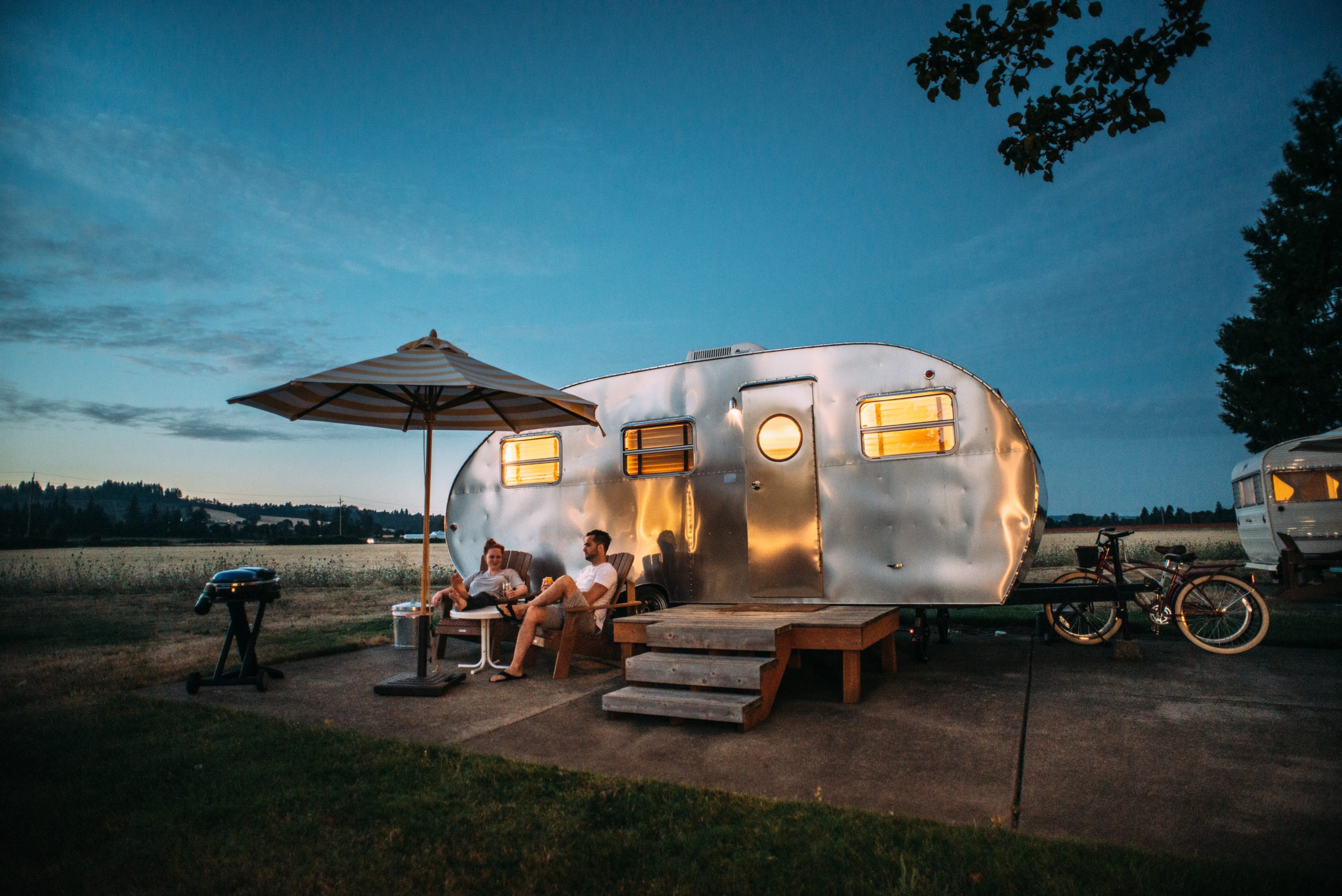
    While Digital Nomads often travel frequently and are usually living in a new place before they have the chance to fully settle in, camping can make this experience easier. When you are camping you will likely realize that you only need the bare essentials, as all of your home comforts are not available to you anymore. There are alternative ways of gaining access to things like internet connection and hot showers.

    Whether you decide to camp in a campsite or at your own will in the wilderness, you will find that other than the warm months of summer, you won’t be seeing any holidaymakers or families doing the same thing as you. Camping instead of renting out several living spaces is much more cost-friendly and easier to accommodate to your set dates. Many campsites have Google fiber, are pet friendly, and are accessible to just about anybody.

    This will require that you gain some comfort with being outdoors and in touch with nature, as you will be living in it for the time being. Some campsites do have shared showers and bathrooms, which depending on your perspective are good or bad. Social distancing has never been as easy as when you are living on a campsite and should be quite simple for you to keep your space to yourself.

    To live this lifestyle you will need camping equipment, such as a tent, sleeping bags, blankets, portable lights, a backpack that can carry all your essentials, and cooking equipment suited for camping. You will need any type of technology you take with you to have a long-lasting battery life as this will mean fewer stops to charge them.

    Camping can also have its downsides such as not being sheltered from the bad weather, back or neck pain due to sleeping in bad positions, not having your own kitchen or bathroom, relying on solar chargers or internet cafes for electricity, or having nature sounds in the background of your conference calls. You could also work from a hammock or from a beach lounger, this is a very comfortable way to work but also one that is bad for your posture.

    A mobile hotspot and portable power are vital things to have with you if you are a Digital Nomad thinking of camping full time. A mobile hotspot will give you internet whenever and wherever you need it, and having your own portable power system can last you as long as you need it to so you don’t have to work against the clock.

  • What would it cost if you become a Digital Nomad in Andalucia

    What would it cost if you become a Digital Nomad in Andalucia

    If you are thinking of moving to Andalucia but you are not sure if you can afford it or if you will be able to cover all your expenses, here is a list of 8 places to live in Andalucia and the average cost of living there.

    Seville.

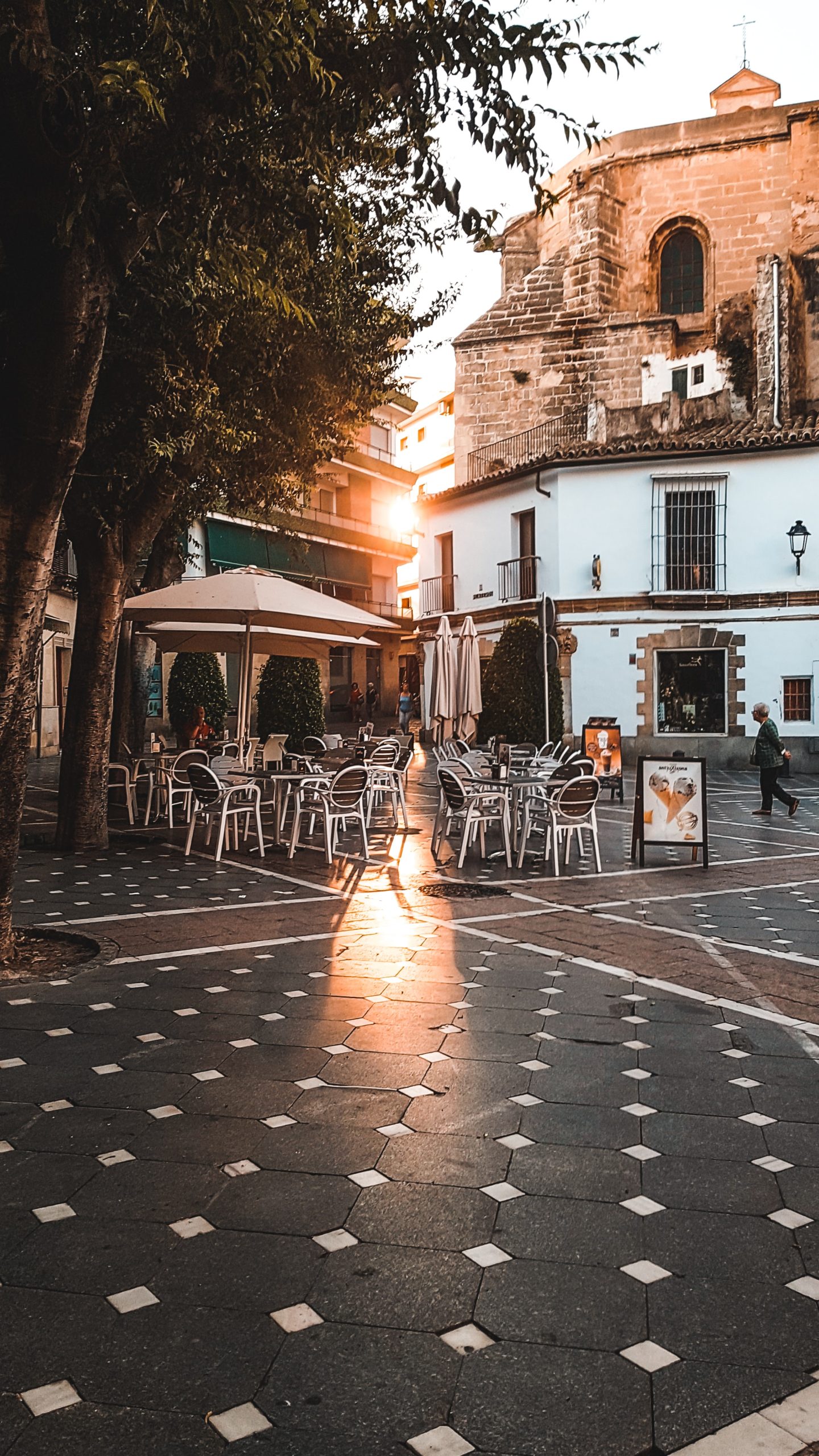
    Seville is a place filled with culture and history and although it is a big city, it maintains the unique charms of a small town. The average price you should expect to pay for a meal is €9, basic utilities such as electricity, heating, cooling system, water and garbage can cost you €120 on average per month, and
    internet of 60 Mbps or more will cost €35 on average per month.

    When it comes to rent, it depends on what you are looking for. 1 bedroom apartments in the centre cost around €663 a month, and 1 bedroom apartments outside of the centre cost around €490 a month. 3 bedroom apartments in the centre cost around €1,054 a month, and 3 bedroom apartments outside of the centre cost around €675 a month.

    Monthly salaries are expected to be around €1,270 after tax.

    Cadiz.

    Cadiz is known for its beaches, white sands and turquoise waters. It is a good summer holiday destination for locals and visitors.

    The average price you should expect to pay for a meal is €8.75, basic utilities such as electricity, heating, cooling system, water and garbage can cost you €95 on average per month, and internet of 60 Mbps or more will cost €36 on average a month.

    When it comes to rent, it depends on what you are looking for. 1 bedroom apartments in the centre cost around €500 a month, and 1 bedroom apartments outside of the centre cost around €462 a month. 3 bedroom apartments in the centre cost around €787 a month, and 3 bedroom apartments outside of the centre cost around €662 a month.

    Monthly salaries are expected to be around €1,066 after tax.

    Malaga.

    Malaga is a historical city that is widely recognised for its architecture and nearby mountains.

    The average price you should expect to pay for a meal is €10, basic utilities such as electricity, heating, cooling system, water and garbage can cost you €111 on average per month, and internet of 60 Mbps or more will cost €40 on average a month.

    When it comes to rent, it depends on what you are looking for. 1 bedroom apartments in the centre cost around €673 a month, and 1 bedroom apartments outside of the centre cost around €528 a month. 3 bedroom apartments in the centre cost around €1,203 a month, and 3 bedroom apartments outside of the centre cost around €840 a month.

    Monthly salaries are expected to be around €1,297 after tax.

    Granada.

    A popular holiday destination due to its snow-capped mountains to its warm Mediterranean waters.

    The average price you should expect to pay for a meal is €9.50, basic utilities such as electricity, heating, cooling system, water and garbage can cost you €114 on average per month, and internet of 60 Mbps or more will cost €33 on average a month.

    When it comes to rent, it depends on what you are looking for. 1 bedroom apartments in the centre cost around €520 a month, and 1 bedroom apartments outside of the centre cost around €375 a month. 3 bedroom apartments in the centre cost around €772 a month, and 3 bedroom apartments outside of the centre cost around €565 a month.

    Monthly salaries are expected to be around €1,235 after tax.

    Jaen.

    Often referred to as ‘the gateway of Andalucia’, Jaen is the home to an abundance of national parks and farms. It is also the centre of olive growing in Andalucia, meaning the trees of this region account for 50% of Spain’s annual olive oil production.

    The average price you should expect to pay for a meal is €9.50, basic utilities such as electricity, heating, cooling system, water and garbage can cost you €93 on average per month, and internet of 60 Mbps or more will cost €45 on average a month.

    When it comes to rent, it depends on what you are looking for. 1 bedroom apartments in the centre cost around €392 a month, and 1 bedroom apartments outside of the centre cost around €260 a month. 3 bedroom apartments in the centre cost around €633 a month, and 3 bedroom apartments outside of the centre cost around €506 a month.

    Monthly salaries are expected to be around €1,233 after tax.

    Almeria.

    Almeria is known for its picturesque coastline, its crystal clear waters and beaches that proudly own a blue flag status for their excellence.

    The average price you should expect to pay for a meal is €10, basic utilities such as electricity, heating, cooling system, water and garbage can cost you €108 on average per month, and internet of 60 Mbps or more will cost €43 on average a month.

    When it comes to rent, it depends on what you are looking for. 1 bedroom apartments in the centre cost around €480 a month, and 1 bedroom apartments outside of the centre cost around €410 a month. 3 bedroom apartments in the centre cost around €760 a month, and 3 bedroom apartments outside of the centre cost around €607 a month.

    Monthly salaries are expected to be around €1,357 after tax.

    Cordoba.

    The province of Cordoba houses one of the most important types of Moorish architecture in the entirety of the Islamic West, the Mesquita de Cordoba is enclosed within the city’s ancient and historic walls.

    The average price you should expect to pay for a meal is €8, basic utilities such as electricity, heating, cooling system, water and garbage can cost you €113 on average per month, and internet of 60 Mbps or more will cost €39 on average a month.

    When it comes to rent, it depends on what you are looking for. 1 bedroom apartments in the centre cost around €512 a month, and 1 bedroom apartments outside of the centre cost around €362 a month. 3 bedroom apartments in the centre cost around €825 a month, and 3 bedroom apartments outside of the centre cost around €562 a month.

    Monthly salaries are expected to be around €1,087 after tax.

    Huelva.

    The province of Huelva is located on the Western side of Andalucia and bordered by Portugal. Huelva is made up of diverse landscapes, from long coastlines with untapped beaches to national parks made up of trees and saltwater lakes.

    The average price you should expect to pay for a meal is €9, basic utilities such as electricity, heating, cooling system, water and garbage can cost you €111 on average per month, and internet of 60 Mbps or more will cost €39 on average a month.

    When it comes to rent, it depends on what you are looking for. 1 bedroom apartments in the centre cost around €533 a month, and 1 bedroom apartments outside of the centre cost around €408 a month. 3 bedroom apartments in the centre cost around €766 a month, and 3 bedroom apartments outside of the centre cost around €525 a month.

    Monthly salaries are expected to be around €950 after tax.

    If you think that you want a slower pace to life, warm weather year-round and a life by the beach, then these places in Andalucia will definitely live up to those expectations.

  • Will Spain Become the Next Hotspot for Digital Nomads?

    Will Spain Become the Next Hotspot for Digital Nomads?

    Digital Nomads are remote workers that use telecommunication technologies to make a living and live in a nomadic manner. They usually work from foreign countries in public libraries, coffee shops, recreational vehicles, or co-working spaces, relying on devices with wireless internet capabilities such as smart phones or mobile hotspots so they can work wherever they wish to. The reason this is so appealing to many is because of the location and financial independence. Here are the top places in Spain to visit if you are or wish to become a Digital Nomad.

    1. Madrid

    Madrid being the capital and right in the middle of the country, makes for an excellent location to be in. Here is why madrid is such a popular choice:

    Madrid is the home to many different types of cuisine and amazing restaurants, yet it is still easy to find a meal for €10 or less. As dinner starts at around 10pm, bar-hopping doesn’t happen until about midnight and can go on until the early hours of the morning.

    It is easy to find a furnished apartment in Madrid, with a 1 bedroom studio in the centre costing an average of €732 a month. The best reported neighbourhood in Madrid is Arganzuela and the internet speed is 28Mbps.

    The local English fluency can be described as basic, the best way to obtain medical insurance is with Safetywing, and the recommended co-working space is Utopic_US.

    For a nomad, you can expect the living cost in Madrid to be around €2,313 a month, including €150 a month for co-working.

    2. Barcelona

    Barcelona is known for its art and historical background, but it is also popular among nomads worldwide.

    This city caters to most tourists and residents when it comes to cuisine preference, with the average meal costing €9.98. You can find a 1 bedroom studio in the centre for around €799 a month, the internet speed is 32 Mbps, and the English fluency is considered basic as the dominant language in Barcelona is Catalan.

    Medical Insurance is networked by Safetywing and the recommended co-working space is Betahaus.

    For a nomad, you can expect the living cost in Barcelona to be around €2,631 a month, including €192 a month for co-working.

    3. Valencia

    Named after the Comunidad Valenciana, Valencia is known for its staple dishes such as Paella and its annual carriage fair called Carrozas or Fallas.

    You can expect to pay about €9 for a meal anywhere in the city and €492 a month for a 1 bedroom studio. The internet speed is 30Mbps, medical insurance is networked by Safetywing and the recommended co-working space is Wayco.

    The dominant language in Valencia is ‘Valenciano’, yet Spanish is also spoken everywhere, and the English fluency can be defined as basic.

    For a nomad, you can expect the living cost in Valencia to be around €2,184 a month, including €196 a month for co-working.

    4. Alicante

    While Alicante is also a province, I will be talking about the city of Alicante. Home to the Universitat D’Alacant, you can easily find yourself a typical Spanish meal for €9 and a 1 bedroom studio in the centre for €462 a month.

    Internet speed is 28Mbps, medical insurance is networked by Safetywing and English fluency is basic.

    For a nomad, you can expect the living cost in Alicante to be around €2,128, including €150 a month for co-working.

    5. Malaga

    In the southern city of Malaga you can expect to pay on average €8 for a meal and €500 a month for a 1 bedroom studio.

    Internet speed is 26Mbps, medical insurance is networked by Safetywing and the English fluency is basic. The recommended co-working space is Nido.

    For a nomad, you can expect the living cost in Malaga to be around €2,064 a month, including €157 a month for co-working.

    6. Seville

    The city of Seville is known for its ‘Flamenco’ music and its deep family values tied to the gypsy community. Here you can expect to pay €10 on average for a meal and €560 a month for a 1 bedroom studio.

    Internet speed is 26Mbps, medical insurance is networked by Safetywing and the English fluency is mediocre. The recommended co-working space is workIN company.

    For a nomad, you can expect the living cost in Seville to be around €2,016 a month, including €180 a month for co-working.

    7. Tenerife

    Tenerife is the largest of Spain’s Canary Islands, and their average meal price is €7. You can find a 1 bedroom studio for €505 a month with the internet speed ranging at 26Mbps.

    Medical insurance is networked by Safetywing, the English fluency is quite good and the recommended co-working space is Wolfhouse.

    For a nomad, you can expect the living cost in Tenerife to be around €1,866 a month, including €124 a month for co-working.

    8. Granada

    Granada is home to the famous monument ‘L’Alhambra’ and has historic ties to ancient Rome. You can dine out for around €10 each, and find a 1 bedroom studio for €500 a month.

    Internet speed is 24Mbps, medical insurance is networked by Safetywing, English fluency is good and the recommended co-working space is Cocoroco.

    For a nomad, you can expect the living cost in Granada to be around €2,276 a month, including €300 a month for co-working.

    If financial and location independence are what you want in a job and you have high knowledge in the field of telecommunication technology, then being a digital nomad could be for you!

  • What type of Corporate Culture do you work in?

    What type of Corporate Culture do you work in?

    Having a strong sense of company culture can have a positive effect on staff engagement and performance. Your company culture has a direct impact on the type of candidates you will attract. Also known as organisational culture, it is made up by the values, attitudes and practices that define the organisation. Here are the four main types of company culture:

    • Clan Culture
    • Adhocracy Culture
    • Market Culture
    • Hierarchy Culture

    Below I explain what these types of Company Culture mean which should help you determine which Company Culture environment you are currently working in.

    Clan Culture:

    Clan Culture often focuses on teamwork and mentorship and its primary qualities are discretion, flexibility, integration and internal focus. Focused on the people, and about creating a highly productive work environment. Every individual is valued and communication and their needs are highly important.
    This culture boasts high in rates of staff engagement and because of the highly adaptable environment Clan Culture has, market growth is easy to achieve. It usually perceived as a family-like or tribe-like type of corporate environment, also seen as the most collaborative and the least competitive.

    Adhocracy Culture:

    Adhocracy Culture is focused on taking risks and innovation and its primary qualities are discretion, flexibility, external focus and differentiation. This culture relies on individuality and its employees being creative with the ideas they bring to the table. Due to the external focus that Adhocracy Culture adheres to, innovative ideas must be tied to market growth and company success. The company usually encourages its employees to take risks, and it is all held together by experimentations, emphasising on freedom and individual ingenuity.

    Employees tend to stay motivated as their goal is to break the mold, and with their attention focused on being creative and thinking of new ideas, opportunities of professional development can easily be justified.

    Market Culture:

    Market Culture is focused on growth and competition and its primary qualities are control, stability, external focus and differentiation. This culture prioritises profit. Every little detail is carefully evaluated with each position having an objective that suits the company’s goal. These are organisations that focus on results and profits rather than employee satisfaction. Companies that embrace Market Culture are successful and profitable because there is a clear objective that employees work towards. The competition can be seen between the organisation and its market and also between its employees. This corporate culture is the most capitalistic and aggressive.

    Hierarchy Culture:

    Hierarchy Culture focuses on structure and stability and its primary qualities are control, stability, internal focus and integration. Companies with this type of culture adhere to more traditional corporate structure. There is usually a dress code in place and such a way of doing things that make the organisation stable and risk-free. Having internal organisation as a top priority, companies with Hierarchy Culture know their path ahead planned, known as the most stable, structured of them all.

    Company Culture says a lot about an organisation, their values and what type of people you aim to attract. If you wish to change the culture of your company, your office dynamic will change as you take on new employees, so hire for culture add, not fit.

  • What you need to know about Anxiety

    What you need to know about Anxiety

    Much like any type of mental or physical condition, there are certain symptoms and effects that determine each one. Here are the most common ones that are associated with Anxiety and how to act on them.

    1. Your rational brain:

    Whenever you feel like you are going to be overcome with anxiety, that’s when your amygdala is going to react by sending chemicals to the front lobe of your head, which is made up by your rational brain, and shut it down completely.

    2.Anxiety and the future:

    Anxiety can come in different forms -generalised anxiety, panic attacks, phobias, obsessive compulsive disorder- that are accompanied by different symptoms -worry, somatic symptoms, knots in your stomach, restlessness- and they are usually centred around concerns involving the future.

    3. Rational or Irrational:

    Rational Anxiety comes from real issues -the thought of an upcoming job interview, your partner not answering your calls about picking up your kids- and it is usually deemed as a perfectly normal reaction. Irrational Anxiety is… irrational. It tends to look more like -the interview will go badly, you will never get the job, in fact you will never get any job meaning you will inevitably end up being homeless.

    4. The importance of Anxiety:

    It can be harder to set your priorities when you are suffering from Anxiety. Something as mundane as deciding what to wear to the supermarket can seem as important as your upcoming job interview. This is where it becomes easy to feel overwhelmed, with thoughts like -so much to do, and so little time.

    5. Listening to your Anxiety:

    If you are anxious about attending a social event where you don’t know anybody and your anxious mind is telling you to stay home, listening to those thoughts and acting on them will make you feel more calm. Sometimes it is better to listen to your Anxiety in order for it to go away, but if it becomes a habit this reinforces anxiety circuits that live in your brain.

    6. Limit the things you listen to:

    Although acting on what goes through your mind in the middle of an Anxiety crisis is what makes the anxiousness go away, this will become something that you start to rely on more and more. If you don’t attend the social event, further down the line you won’t be going out at all. Every experience you have with Anxiety will feed into that cycle until your world becomes too small for you to breathe in.

    7. Personality traits feed into Anxiety:

    Many people that are prone to Anxiety can often be critical of themselves, internalise their emotions, become uncomfortable around strong emotions and will go the extra mile in order to avoid conflict. What accompanies Anxiety is a ‘put everybody else’s needs before your own’ coping style.

    8. Anxiety covers other emotions:

    Anxiety can become so strong in some people’s minds that it becomes difficult for them to discern any feelings except Anxiety. Anger, sadness, disappointment, hurt, etc., can all translate into and be seen as Anxiety.

    Anxiety is about having a deep fear of the world and what it contains. Some people fear other people, animals or not having control over their future. Differentiate Rational from Irrational Anxiety, track your anxiousness so you can stop it before it gets out of hand, ask yourself what it is that you are feeling besides Anxiety and establish your own priorities and boundaries. This will enlarge your world rather than diminishing it, and it will build up your self-confidence and self-esteem which will in turn, change your perspective on negative and positive thoughts.

  • 10 Things That Are Better Today Than They’ll Be In The Future

    10 Things That Are Better Today Than They’ll Be In The Future

    When we think of the future, we always have the tendency to consider what will improve in our lives and the world. However, when you think about it, there are many things that we take for granted today that are not likely to improve in the future. Today we’re going to share with you ten things that are better today than they’ll be in the future.

    1. Cost of Living

    As a result of the recent pandemic, it’s almost certain that taxes around the world will continue to increase. Our cost of living rises year after year, and this is one area that’s highly unlikely to be better in the future. Make the most of the lower cost of living and invest well now to set yourself up for the years ahead.

    2. The Weather

    Over the past decade, we’ve all become aware of the impact of climate change on our world. As the air temperature rises, expect more rainfall around the world, which may also be more intense. Changes in wind patterns may result in more natural disasters and damage to the world around us.

    3. Privacy

    As we all spend more and more of our lives online today, whether that’s for personal or work reasons, concerns surrounding privacy are continuing to increase. Expect data to be more readily available in the future, so be careful with your digital reputation starting now.

    4. The Natural Environment

    Working hand-in-hand with the weather and climate change, it’s likely that our natural environment will change dramatically in the upcoming years. Expect beautiful destinations in the world to no longer exist and overcrowding to destroy some of the more deserted travel destinations.

    5. Cheaper Outsourcing

    If you use outsourcing within your business currently, this is likely to increase in price in the future. Individuals around the world are noticing the benefits of working online and freelancing, which begins to push up the price of outsourcing.

    6. Opportunities to Live Overseas Cheaply

    Whether you already travel overseas regularly or are hoping to take advantage of working from home in the future, now is the time to travel. With more people working remotely, this will begin to push the cost of living and renting an apartment in popular digital nomad locations such as Medellin and Tbilisi much higher in upcoming years.

    7. Work-life Balance

    The last year has been a struggle for many of us as far as work-life balance. With the increasing reliance on technology for our jobs, this is likely to only get worse. Companies are expecting employees to be plugged in 24 hours a day, which will take its toll on our mental and physical health.

    8. Investing Opportunities

    People are slowly beginning to understand the benefits of investing, which is increasing the number of advertisements for this around the world. Investing is likely to become far more competitive and less lucrative in the future due to the increase in its popularity.

    9. Ease of Relocating

    Relocating today, whether within your home country or further abroad, can be reasonably simple, depending on your situation. With challenges such as Brexit and the tightening of immigration laws around the world, this freedom of movement is likely to be reduced in the future.

    10. Launching a New Business

    With so many individuals finding themselves unemployed last year, people have taken this free time to launch new businesses. Depending on the industry you are planning to launch into, now is the best time to consider your next business venture. With hundreds of businesses launching each day, it’s only becoming more challenging to stand out from your competitors.

    We hope these ten things that are better today than they will be in the future have given you something to think about. What do you think is better today than it will be tomorrow? It’s certainly an interesting topic to consider and one that can help us make the most of the present-day and appreciate everything we have at this moment in time.

  • 10 Things About To Improve Life In The Next Decade | Digital-First World

    10 Things About To Improve Life In The Next Decade | Digital-First World

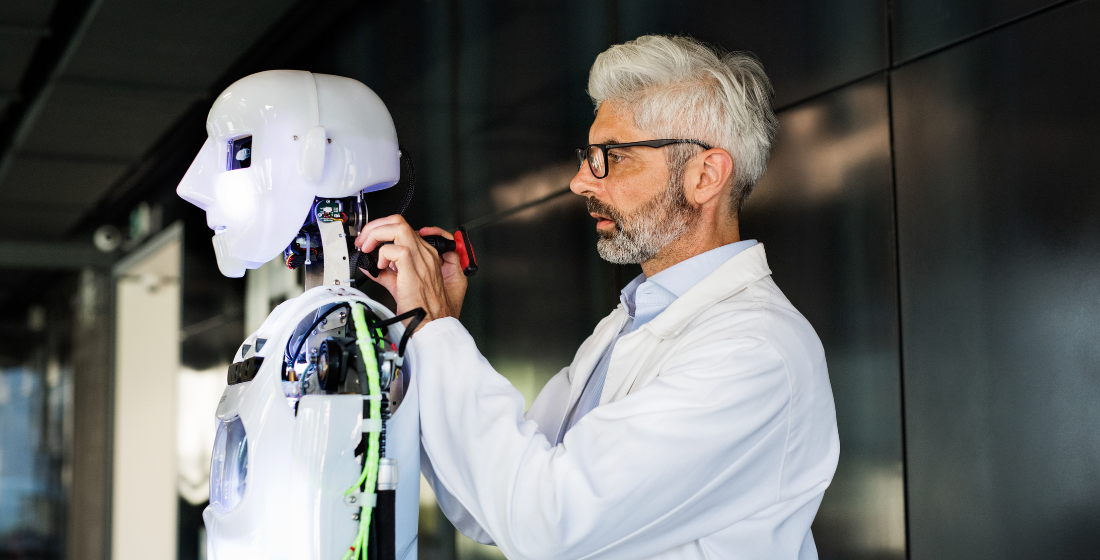
    We are rapidly heading towards a digital-first world, and this exciting time of robots, artificial intelligence, and remote work is about to change the way we live entirely. Let’s take a look at 10 incredible things about to improve life in the next 10 years.

    5 Ways Robots Will Improve Quality Of Life

    1: Healthcare is undergoing remarkable development thanks to robots. Removing human error from complex and risky operations, robotic arms provide a higher quality of healthcare for those most vulnerable in society. As technology improves and develops over time, we may see robots taking over many minor operations too, and perhaps moving into dentistry.

    2: Not only are robots, artificial intelligence, and automation improving the healthcare industry worldwide, but robotics are also being designed to care for an aging population around the world. Providing companionship, our new digital-first world will roll out robots into care homes to ease stress, anxiety, and loneliness.

    3: Another way our lives will be improved in the next 10 years is through the introduction of self-driving vehicles. Robots on the road will significantly reduce the number of road traffic accidents by removing drink driving incidents, collisions due to distracted drivers, and crashes caused by medical emergencies behind the wheel, just to name a few.

    4: Robots will also be taking on risky jobs that humans currently do, such as working in nuclear power plants, search and rescue and bomb disposal. So, step aside when it comes to high-risk work environments and let robots help safeguard mankind.

    5: Humans are naturally creative, but when daily chores and work fill up our time, creativity is put on the back burner.  Robots will soon be gifting us all valuable time by optimizing daily tasks and allowing us to develop our imagination and have more time to be creative.

    5 Ways Daily Life Will Be Different

    1: If the global pandemic has taught us anything, it’s how accepting many industries now are of remote work. In order to evolve and take advantage of talent around the world, remote work must become our new norm. Thanks to technology and high-speed internet, remote work is here to stay!

    2: In a digital-first world, there will no longer be a need to go to the supermarket and pick up groceries. Your fridge will store your groceries’ database and provide an accurate grocery list when you need to restock. It will then send an order request to your supermarket of choice, and an autonomous vehicle will deliver your goods. The technology is already available to make this a reality; we just need to implement it within our homes.

    3: Thanks to the internet, education is limitless, with a vast amount of educational content widely available online for free. In the next 10 years, education, especially higher education, will likely be taught entirely online, allowing people to travel and study simultaneously. This will also complement a rise in remote work!

    4: Digital currencies are set to replace coins and notes, reducing the need to carry cash in the next couple of years. In fact, China has already made the switch to digital currency by introducing the cyber yuan, which tracks spending in real-time. It’s expected that more countries will follow suit over the next 10 years.

    5: Diet is set to change significantly over the next decade, as more people move towards a plant-based diet or become 100% vegan. With more time on our hands, thanks to technology improving daily life, more people will spend time improving their health and diet, including growing their own food and foraging rather than visiting the supermarket and living a more sustainable, eco-friendly lifestyle.

    Most Popular Picks from our content library:

    Everything Will Be Alright Episode 10: Dr. Ben Goertzel

    Everything Will Be Alright Episode 9: Project Censored

    Everything Will Be Alright Episode 8: Alex Grey

    Everything Will Be Alright Episode 7: Dr. Geoffrey Landis

    Everything Will Be Alright Episode 6: Dr. Shana Lavarreda

    Everything Will Be Alright Episode 5: Jamais Cascio

    Everything Will Be Alright Episode 4: Rod Roddenberry

    Everything Will Be Alright Episode 3: Dr. Behrokh Khoshnevis

    Everything Will Be Alright – Episode 2: Dr. Terry Wahls

    Everything Will Be Alright Episode 1: Dr. Peter Diamandis

  • The Future of Travel After the Coronavirus

    The Future of Travel After the Coronavirus

    The entire world is ready for the coronavirus to be over. After spending more than a year in isolation and financial hardship, people want to live their lives again. One of the things that everyone wants to do the most is travel.

    The airlines and hotels have already reopened. However, it still doesn’t feel like things are back to normal. There are still mask-wearing requirements in almost every public setting in the world. And when you travel to another state or country, you’re still required to remain in quarantine for an X number of days.

    What will travel be like after all the restrictions get lifted? Will the travel industry recover? We predict they will! Below are the top 6 groups that will be radically better for travel after the coronavirus.

    1) Location Independent Workers

    Traditional freelancers and artists have been stuck at home for the past year with nothing to do and no way to earn a living. That is one of the downfalls of being a location independent worker in the middle of a pandemic.

    The good news is that location independent workers will soon travel again for jobs and inspiration. The post-coronavirus world will have an influx of independent workers getting on airplanes and travelling to other cities and countries to thrive in their self-made professions.

    2) Digital Nomads

    Most digital nomads have been able to survive the pandemic because they make their living on the computer. However, all their communications with clients have been through telephone or video conference calls. No one has met in person since March 2020.

    Digital nomads already spend enough time on the computer alone. They are starved for physical human contact and interactions. That is why you’ll start to see more digital nomads travelling to different cities and meeting with clients in person. Even if in-person meetups are unnecessary, the digital nomads will insist for the sake of being around people.

    3) Tourism

    The coronavirus destroyed the tourism industry in 2020. When airlines and hotels began to reopen, people were still hesitant to travel. Their worries of the coronavirus spread persisted. But that is bound to change because of the vaccine distribution efforts already underway. Once enough people get vaccinated, they’ll have more confidence to travel again.

    International tourism should pick up significantly over the next year. All the stakeholders associated with the travel and tourism industries will do much better in the coming years, including the cruise industry. Major cruise lines are already selling out their cruise packages for the summer and fall seasons. Reservations at hotels throughout the country are getting booked well in advance.

    The tourism resurgence will create and restore tourism jobs. People will stop their financial dependency on the government and go back to earning money for themselves. If people earn the kind of money they were making before the pandemic, it will motivate them to travel and take trips more.

    4) Business Travel

    Business travel has been non-existent during the coronavirus. Pretty much every professional person has relied on Zoom or Cisco WebEx video calls to conduct and attend virtual business meetings. But there is only so much that can be discussed and presented through a video chatting platform.

    Company executives and managers are anxious to attend in-person business meetings again. Most company leaders don’t like to make deals or final decisions without looking at their employees or clients in the eyes directly. So, they will be travelling quite a bit on first-class commercial airplanes or private jets to have these in-person meetings.

    5) Holidaymakers

    By the end of 2021, holidaymakers will reunite with their families. They will fly or drive cross country to be with them after a year of separation. Some families will even go on vacations to Hawaii, Greece, Italy, and other exotic destinations they’ve dreamt about for a long time now.

    It doesn’t matter if it’s the holiday season or not. People will use whatever vacation time they have left at their jobs to create holiday time for themselves and their families.

    6) Nationwide In-Person Meetings

    Hotels and conference centres had refused to host business meetings because of the social distancing restrictions. Once those restrictions get lifted, nationwide in-person meetings will come back in a big way.

    It was always normal for major company representatives to travel to different states for meetings and presentations. A lift on the travel restrictions means that nationwide in-person meetings will grow exponentially.

    Final Words

    The future looks very bright for travel in a post-coronavirus world. Businesses can thrive, and families can spend more time together. More people will be employed, which means they’ll have more money to travel.

    The only downside is that travel insurance costs will rise. When the pandemic first struck in March 2020, many travellers got stranded on cruise ships and unfamiliar towns and cities. Those without travel insurance policies lost out on the money they invested in their travel itineraries at the time.

    Travel insurance companies still received thousands of claims from people with travel insurance policies. For this reason, you can expect travel insurance costs to rise in 2021 and the years to come. Travel companies want to prepare in case another pandemic ever strikes their industry again.