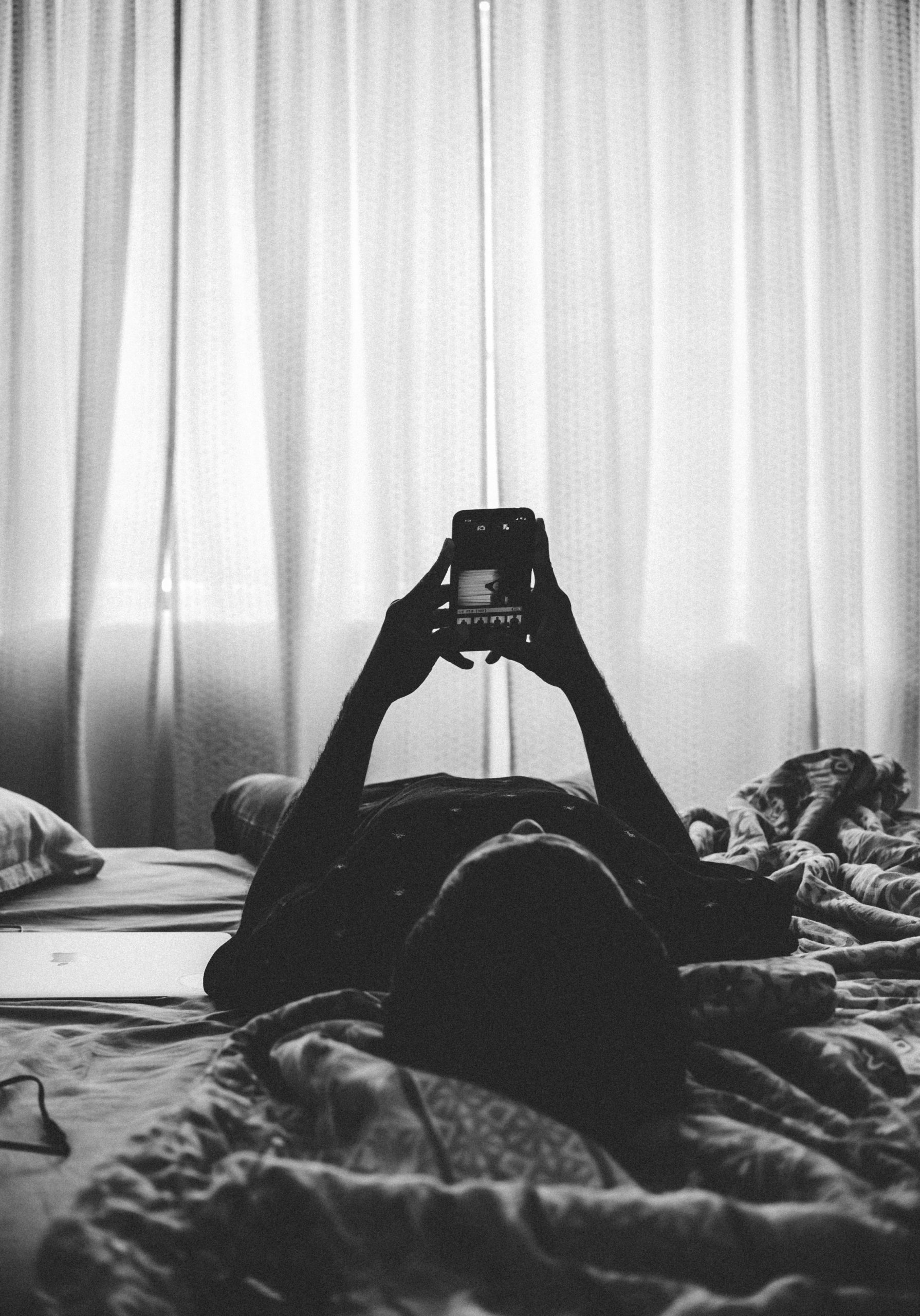
Many stories have been written regarding single people and how they have dealt with the pandemic and being isolated in their homes, by themselves. The effects come from both ends of the spectrum, varying from some people describing it as being ‘dreadful’, to others thriving from this time and have used it to simply ‘be with themselves’.
It all comes down to what type of person you are, whether you crave human company and affection or not. While there is still an essence of social pressure to ‘find your other half’, the notion of a sad unpartnered soul has been mostly left behind. Single people are no longer denied social amenities such as a packed social calendar, an active sex life or owning a home of their own. The time you don’t invest in ‘building your future with somebody’ can be spent on doing whatever it is that you wish to do.
However, the pandemic cut out that sense of freedom. Social gatherings became a thing of the past, seeing somebody without a face mask felt like disobeying the law and even the fear of contracting the virus itself made us all much more self aware of who we get close to. The pandemic amped up the things that are lonely and stressful about being single and erased the fun parts.
This is where our reliance on social media plays its part, you can meet people without actually meeting them. Although it can be an untrustworthy place, it was the only way to stimulate the need for human interaction in the middle of a worldwide pandemic.
People that were isolated in their home with their partners or families could appreciate the ‘social’ narrative that something like eating dinner together could have, while single people didn’t get to enjoy the slightest taste of human interaction unless if was through a screen. This amped up the levels of creativity for many people, which eventually faded as humans crave to share their achievements with other humans.
These circumstances would also have sparked some mixed feelings. Many people reported via social media that they felt out of their comfort zone with not knowing what the future had in store for them. While other simply enjoyed their time home, adding that ‘they spent their isolation with the family and enjoyed it’.
The pandemic itself had different impacts on different people, some saw it as an opportunity to better themselves, while others simply couldn’t wait for it to end and to return to their previous lives.
Category: Relationships
-
The Effects of Being Single During a Pandemic
-
What type of parent are you?
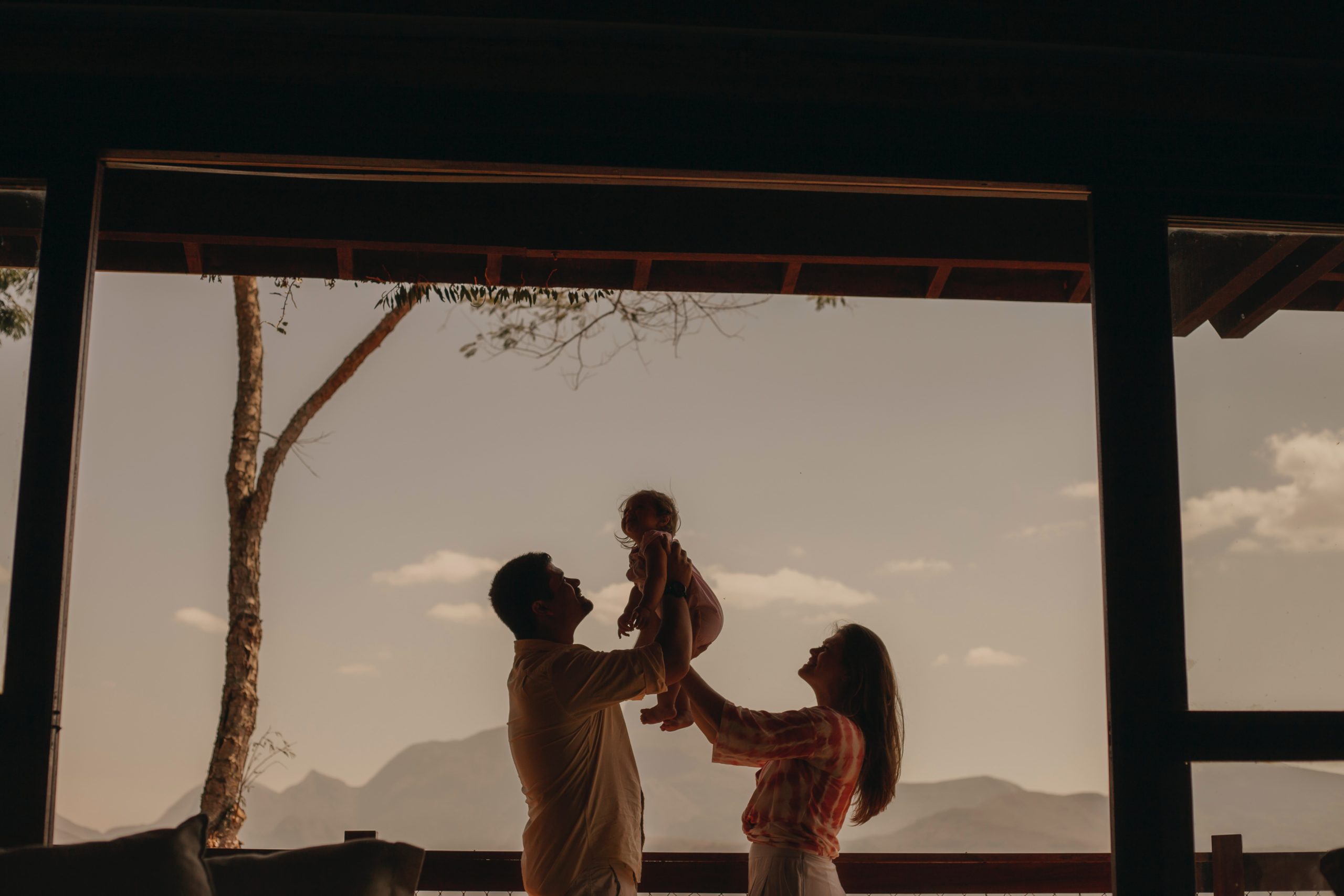
Parenting can be an interesting topic to talk about, as there isn’t one handbook on how children should be raised. However, there are many similarities between most parents and that seems to have cultivated these common parenting styles:
- Authoritarian or Disciplinarian.
- Permissive or Indulgent.
- Uninvolved.
- Authoritative.
It is unclear how well parents from different cultures can be fitted into the same categories, as parenting can vary in these aspects: discipline style, communication, nurturance, and expectations.
Authoritarian Parenting.
They are often seen as disciplinarians too. It is common for them to apply a strict discipline style that leaves little to no room for negotiation, and punishment is also common among this parenting style.
The communication is usually a one way system: from the parent to the child. The parent will regularly establish rules without giving the child any explanation.
Parents who use this parenting style are usually less nurturing towards their children and their expectations run high with little room for flexibility.Permissive Parenting.
Also known as Indulgent parents, they often allow their children to come and go as they please, offer little to no guidance, and they can be seen more like friend than a parental figure.
The type of discipline that they live by is the opposite of strict, they establish very few to no rules. Communication is usually open but the parents step aside when it is time to make a decision and allow the child to make up their own mind. Parents with this parenting style are usually warm and nurturing and their expectations are typically low or non existent.Uninvolved Parenting.
Similar to Permissive Parenting, Uninvolved parents will grant their children freedom and mostly stay out of their way. In some cases the parents make the decision to use this parenting style and in other cases the parent has less interest in parenting or is unsure of how to do so. The child is allowed to do as it wants due to the parent’s lack of information or care. Communication is short lived, the child receives little to no nurturing and the expectations the parents have run very low.
Authoritative Parenting.
This type of parenting style is seen as the most beneficial to children. Authoritative parents are clear about their expectations and are usually down to earth and nurturing. This usually leads the child to become more self-disciplined and more able to think for themselves.
The rules that are in place are clear and have been explained to the child. The communication goes two ways and is set at an appropriate level for both the parent and the child. Although Authoritative parents set clear, high expectations for their children, the children also have some input as to what those goals are.Parenting doesn’t just depend on what type of person the parent is, it should also cater to the needs of the child and be taken into consideration what would be the most beneficial to them. Whichever parenting style you feel suits you best is acceptable, just make sure that you communicate with your child so their needs are also met.
-
Types of Behaviour in Psychology and what do those mean?
Understanding human behaviour becomes easier if we know how they naturally behave in certain situations. Our behaviour is linked to our current mental state and usually says a lot about who we are from within. I am going to discuss the four basic personality types.
Often enough, we evaluate others purely based on their actions or reactions when presented with different situations. However, external behaviour is guided by the nature of the person and the situation they’re in.Types of human behaviour.
Based on the response behaviour when in different situations, they can be divided into 4 sections.
Molecular and Moral Behaviour:
Molecular Behaviour: This behaviour occurs spontaneously with no logical thinking behind it. For example, flinching of the part of your body that was exposed to pain or discomfort.
Moral Behaviour: Contrary to Molecular Behaviour, Moral Behaviour occurs after a thought has passed through your mind. For example, changing your planned route after seeing something harmful while on your journey.
Overt & Covert Behaviour:
Overt Behaviour: This type of behaviour is one that occurs on the outside of a human being. For example, eating a meal, walking, washing your hands.
Covert Behaviour: This type of behaviour is invisible to the eye. Covert Behaviour is made up by the thought process behind every action.Voluntary and Involuntary Behaviour:
Voluntary Behaviour: This type of behaviour simply depends on what it is you want to do. For example, talking, dancing and writing are voluntary acts.
Involuntary Behaviour: This type of behaviour is the most natural and does not require any thinking in order to be carried out. For example, breathing and blinking are involuntary acts.Human Personalities can be divided into 4 types, as the most common ones.
Optimistic: This is a type of personality that will remain positive in order to generate a good outcome for everything.
Pessimistic: This is a type of personality that will question people and their intentions while expecting the worst most of the time.
Trusting: This is a type of personality that will trust others without any given reason to do so.
Envious: This is a type of personality that looks at the accomplishments of others and wants to take them for themselves.
While these are 4 of the most popular types of personality, it is important to mention that most of these traits do exist in most people simultaneously. This information can help you understand not only your own behaviour, but the one of those around you. -
The Future of Travel After the Coronavirus
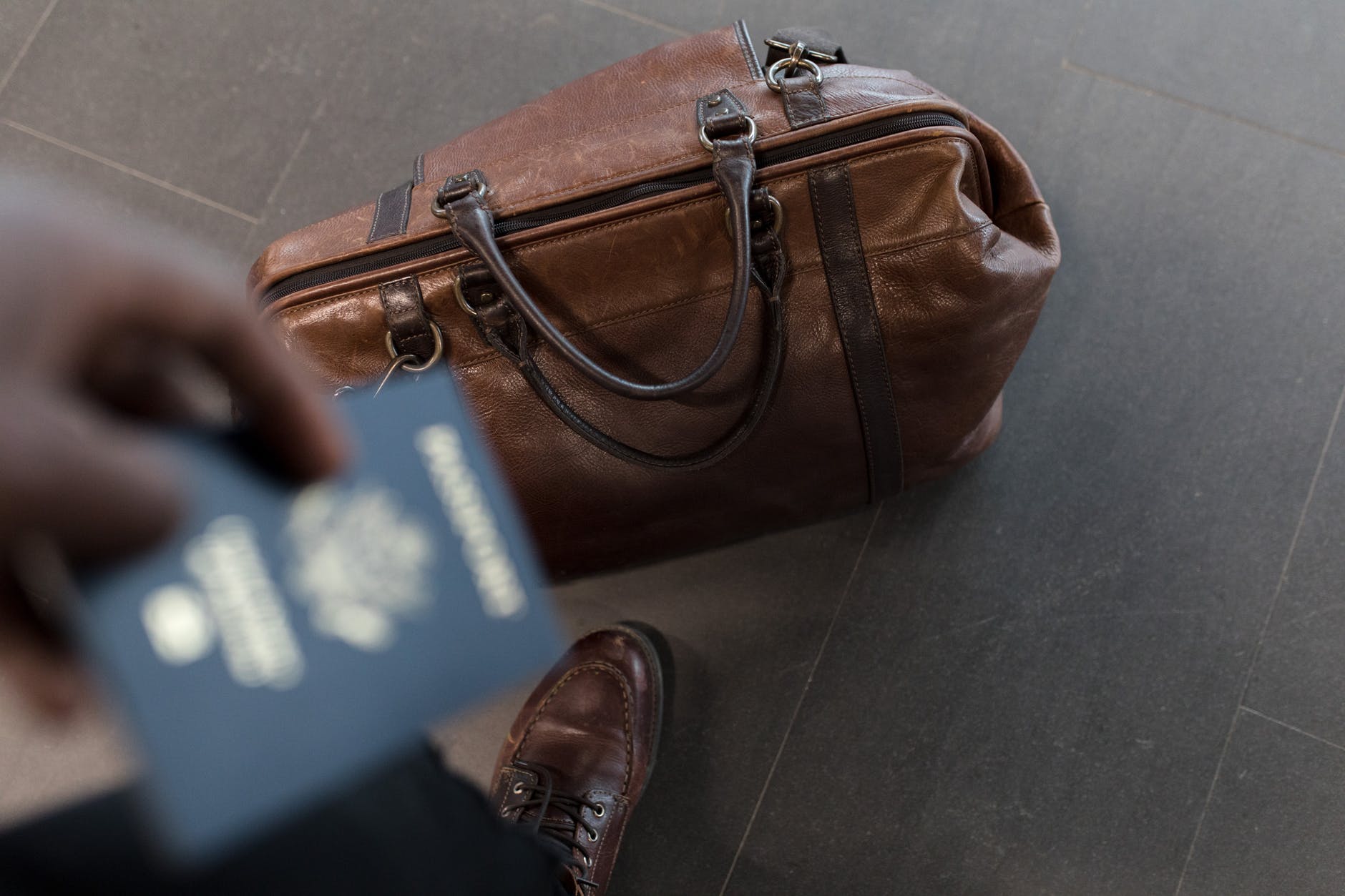
The entire world is ready for the coronavirus to be over. After spending more than a year in isolation and financial hardship, people want to live their lives again. One of the things that everyone wants to do the most is travel.
The airlines and hotels have already reopened. However, it still doesn’t feel like things are back to normal. There are still mask-wearing requirements in almost every public setting in the world. And when you travel to another state or country, you’re still required to remain in quarantine for an X number of days.
What will travel be like after all the restrictions get lifted? Will the travel industry recover? We predict they will! Below are the top 6 groups that will be radically better for travel after the coronavirus.
1) Location Independent Workers
Traditional freelancers and artists have been stuck at home for the past year with nothing to do and no way to earn a living. That is one of the downfalls of being a location independent worker in the middle of a pandemic.
The good news is that location independent workers will soon travel again for jobs and inspiration. The post-coronavirus world will have an influx of independent workers getting on airplanes and travelling to other cities and countries to thrive in their self-made professions.
2) Digital Nomads
Most digital nomads have been able to survive the pandemic because they make their living on the computer. However, all their communications with clients have been through telephone or video conference calls. No one has met in person since March 2020.
Digital nomads already spend enough time on the computer alone. They are starved for physical human contact and interactions. That is why you’ll start to see more digital nomads travelling to different cities and meeting with clients in person. Even if in-person meetups are unnecessary, the digital nomads will insist for the sake of being around people.
3) Tourism
The coronavirus destroyed the tourism industry in 2020. When airlines and hotels began to reopen, people were still hesitant to travel. Their worries of the coronavirus spread persisted. But that is bound to change because of the vaccine distribution efforts already underway. Once enough people get vaccinated, they’ll have more confidence to travel again.
International tourism should pick up significantly over the next year. All the stakeholders associated with the travel and tourism industries will do much better in the coming years, including the cruise industry. Major cruise lines are already selling out their cruise packages for the summer and fall seasons. Reservations at hotels throughout the country are getting booked well in advance.
The tourism resurgence will create and restore tourism jobs. People will stop their financial dependency on the government and go back to earning money for themselves. If people earn the kind of money they were making before the pandemic, it will motivate them to travel and take trips more.
4) Business Travel
Business travel has been non-existent during the coronavirus. Pretty much every professional person has relied on Zoom or Cisco WebEx video calls to conduct and attend virtual business meetings. But there is only so much that can be discussed and presented through a video chatting platform.
Company executives and managers are anxious to attend in-person business meetings again. Most company leaders don’t like to make deals or final decisions without looking at their employees or clients in the eyes directly. So, they will be travelling quite a bit on first-class commercial airplanes or private jets to have these in-person meetings.
5) Holidaymakers
By the end of 2021, holidaymakers will reunite with their families. They will fly or drive cross country to be with them after a year of separation. Some families will even go on vacations to Hawaii, Greece, Italy, and other exotic destinations they’ve dreamt about for a long time now.
It doesn’t matter if it’s the holiday season or not. People will use whatever vacation time they have left at their jobs to create holiday time for themselves and their families.
6) Nationwide In-Person Meetings
Hotels and conference centres had refused to host business meetings because of the social distancing restrictions. Once those restrictions get lifted, nationwide in-person meetings will come back in a big way.
It was always normal for major company representatives to travel to different states for meetings and presentations. A lift on the travel restrictions means that nationwide in-person meetings will grow exponentially.
Final Words
The future looks very bright for travel in a post-coronavirus world. Businesses can thrive, and families can spend more time together. More people will be employed, which means they’ll have more money to travel.
The only downside is that travel insurance costs will rise. When the pandemic first struck in March 2020, many travellers got stranded on cruise ships and unfamiliar towns and cities. Those without travel insurance policies lost out on the money they invested in their travel itineraries at the time.
Travel insurance companies still received thousands of claims from people with travel insurance policies. For this reason, you can expect travel insurance costs to rise in 2021 and the years to come. Travel companies want to prepare in case another pandemic ever strikes their industry again.