Category: History and Geogrphy and Anthropology

  • What would it cost if you become a Digital Nomad in Andalucia

    What would it cost if you become a Digital Nomad in Andalucia

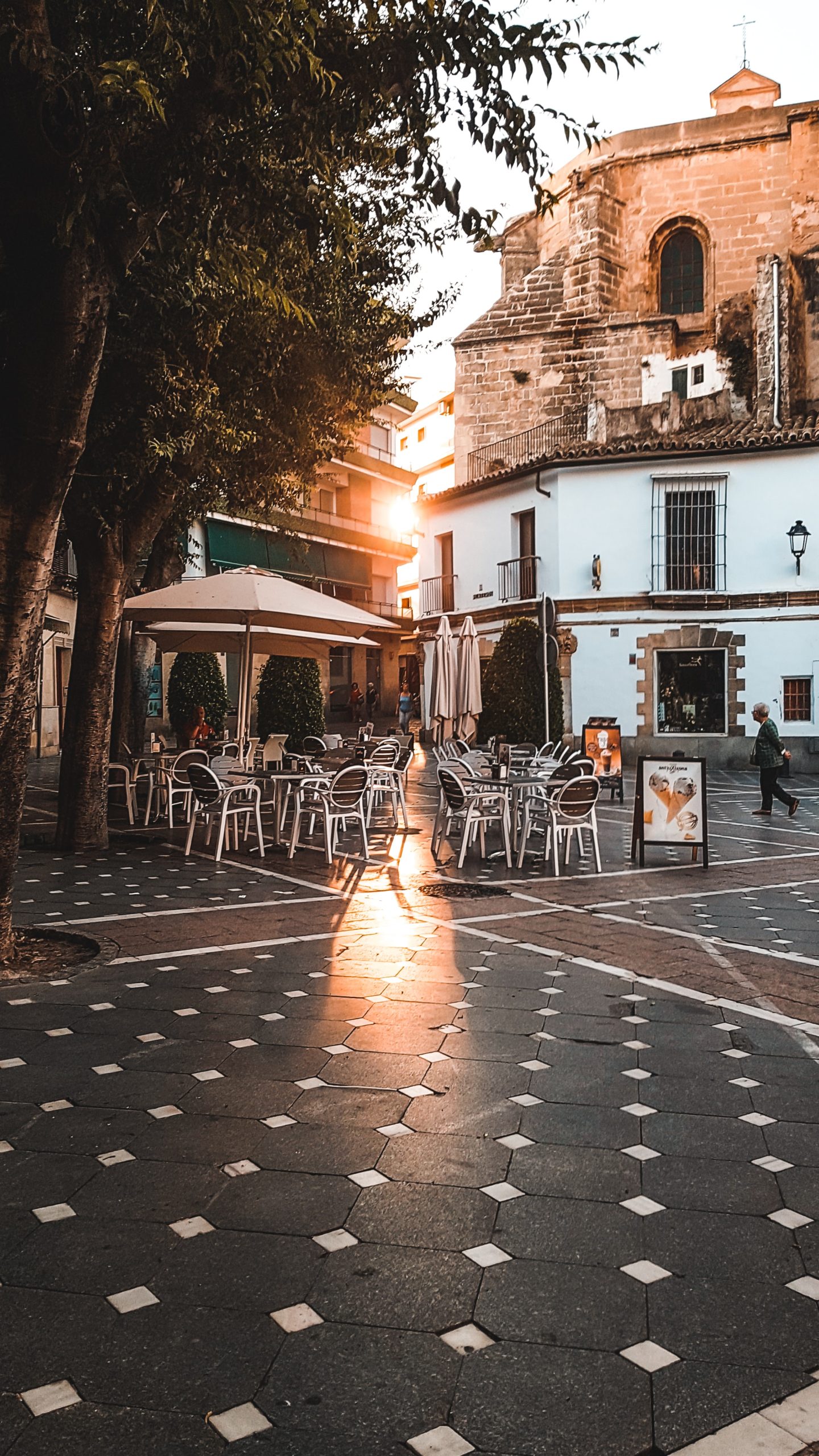
    If you are thinking of moving to Andalucia but you are not sure if you can afford it or if you will be able to cover all your expenses, here is a list of 8 places to live in Andalucia and the average cost of living there.

    Seville.

    Seville is a place filled with culture and history and although it is a big city, it maintains the unique charms of a small town. The average price you should expect to pay for a meal is €9, basic utilities such as electricity, heating, cooling system, water and garbage can cost you €120 on average per month, and
    internet of 60 Mbps or more will cost €35 on average per month.

    When it comes to rent, it depends on what you are looking for. 1 bedroom apartments in the centre cost around €663 a month, and 1 bedroom apartments outside of the centre cost around €490 a month. 3 bedroom apartments in the centre cost around €1,054 a month, and 3 bedroom apartments outside of the centre cost around €675 a month.

    Monthly salaries are expected to be around €1,270 after tax.

    Cadiz.

    Cadiz is known for its beaches, white sands and turquoise waters. It is a good summer holiday destination for locals and visitors.

    The average price you should expect to pay for a meal is €8.75, basic utilities such as electricity, heating, cooling system, water and garbage can cost you €95 on average per month, and internet of 60 Mbps or more will cost €36 on average a month.

    When it comes to rent, it depends on what you are looking for. 1 bedroom apartments in the centre cost around €500 a month, and 1 bedroom apartments outside of the centre cost around €462 a month. 3 bedroom apartments in the centre cost around €787 a month, and 3 bedroom apartments outside of the centre cost around €662 a month.

    Monthly salaries are expected to be around €1,066 after tax.

    Malaga.

    Malaga is a historical city that is widely recognised for its architecture and nearby mountains.

    The average price you should expect to pay for a meal is €10, basic utilities such as electricity, heating, cooling system, water and garbage can cost you €111 on average per month, and internet of 60 Mbps or more will cost €40 on average a month.

    When it comes to rent, it depends on what you are looking for. 1 bedroom apartments in the centre cost around €673 a month, and 1 bedroom apartments outside of the centre cost around €528 a month. 3 bedroom apartments in the centre cost around €1,203 a month, and 3 bedroom apartments outside of the centre cost around €840 a month.

    Monthly salaries are expected to be around €1,297 after tax.

    Granada.

    A popular holiday destination due to its snow-capped mountains to its warm Mediterranean waters.

    The average price you should expect to pay for a meal is €9.50, basic utilities such as electricity, heating, cooling system, water and garbage can cost you €114 on average per month, and internet of 60 Mbps or more will cost €33 on average a month.

    When it comes to rent, it depends on what you are looking for. 1 bedroom apartments in the centre cost around €520 a month, and 1 bedroom apartments outside of the centre cost around €375 a month. 3 bedroom apartments in the centre cost around €772 a month, and 3 bedroom apartments outside of the centre cost around €565 a month.

    Monthly salaries are expected to be around €1,235 after tax.

    Jaen.

    Often referred to as ‘the gateway of Andalucia’, Jaen is the home to an abundance of national parks and farms. It is also the centre of olive growing in Andalucia, meaning the trees of this region account for 50% of Spain’s annual olive oil production.

    The average price you should expect to pay for a meal is €9.50, basic utilities such as electricity, heating, cooling system, water and garbage can cost you €93 on average per month, and internet of 60 Mbps or more will cost €45 on average a month.

    When it comes to rent, it depends on what you are looking for. 1 bedroom apartments in the centre cost around €392 a month, and 1 bedroom apartments outside of the centre cost around €260 a month. 3 bedroom apartments in the centre cost around €633 a month, and 3 bedroom apartments outside of the centre cost around €506 a month.

    Monthly salaries are expected to be around €1,233 after tax.

    Almeria.

    Almeria is known for its picturesque coastline, its crystal clear waters and beaches that proudly own a blue flag status for their excellence.

    The average price you should expect to pay for a meal is €10, basic utilities such as electricity, heating, cooling system, water and garbage can cost you €108 on average per month, and internet of 60 Mbps or more will cost €43 on average a month.

    When it comes to rent, it depends on what you are looking for. 1 bedroom apartments in the centre cost around €480 a month, and 1 bedroom apartments outside of the centre cost around €410 a month. 3 bedroom apartments in the centre cost around €760 a month, and 3 bedroom apartments outside of the centre cost around €607 a month.

    Monthly salaries are expected to be around €1,357 after tax.

    Cordoba.

    The province of Cordoba houses one of the most important types of Moorish architecture in the entirety of the Islamic West, the Mesquita de Cordoba is enclosed within the city’s ancient and historic walls.

    The average price you should expect to pay for a meal is €8, basic utilities such as electricity, heating, cooling system, water and garbage can cost you €113 on average per month, and internet of 60 Mbps or more will cost €39 on average a month.

    When it comes to rent, it depends on what you are looking for. 1 bedroom apartments in the centre cost around €512 a month, and 1 bedroom apartments outside of the centre cost around €362 a month. 3 bedroom apartments in the centre cost around €825 a month, and 3 bedroom apartments outside of the centre cost around €562 a month.

    Monthly salaries are expected to be around €1,087 after tax.

    Huelva.

    The province of Huelva is located on the Western side of Andalucia and bordered by Portugal. Huelva is made up of diverse landscapes, from long coastlines with untapped beaches to national parks made up of trees and saltwater lakes.

    The average price you should expect to pay for a meal is €9, basic utilities such as electricity, heating, cooling system, water and garbage can cost you €111 on average per month, and internet of 60 Mbps or more will cost €39 on average a month.

    When it comes to rent, it depends on what you are looking for. 1 bedroom apartments in the centre cost around €533 a month, and 1 bedroom apartments outside of the centre cost around €408 a month. 3 bedroom apartments in the centre cost around €766 a month, and 3 bedroom apartments outside of the centre cost around €525 a month.

    Monthly salaries are expected to be around €950 after tax.

    If you think that you want a slower pace to life, warm weather year-round and a life by the beach, then these places in Andalucia will definitely live up to those expectations.
  • Books That Predicted the Future for Us

    Books That Predicted the Future for Us

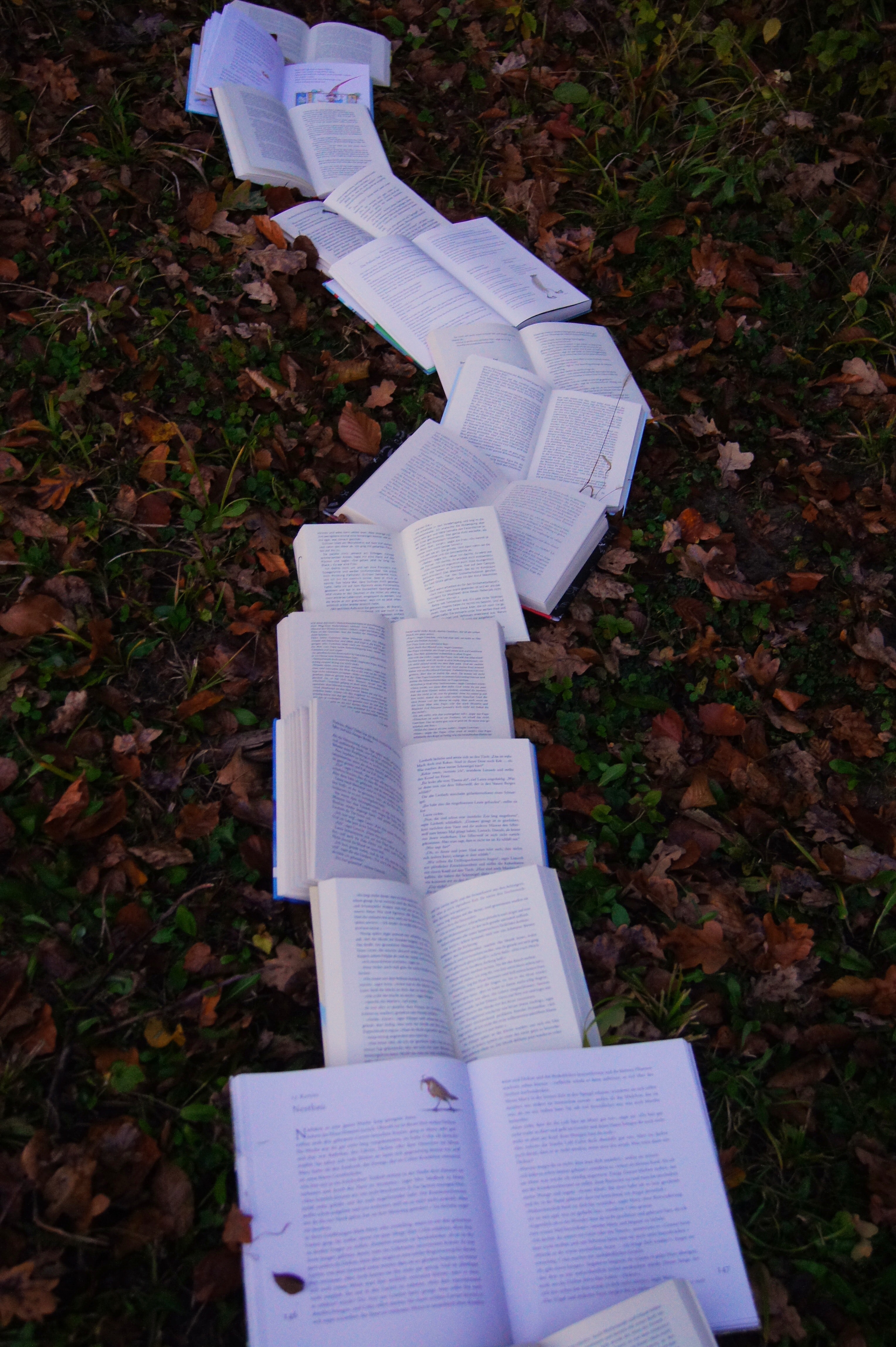
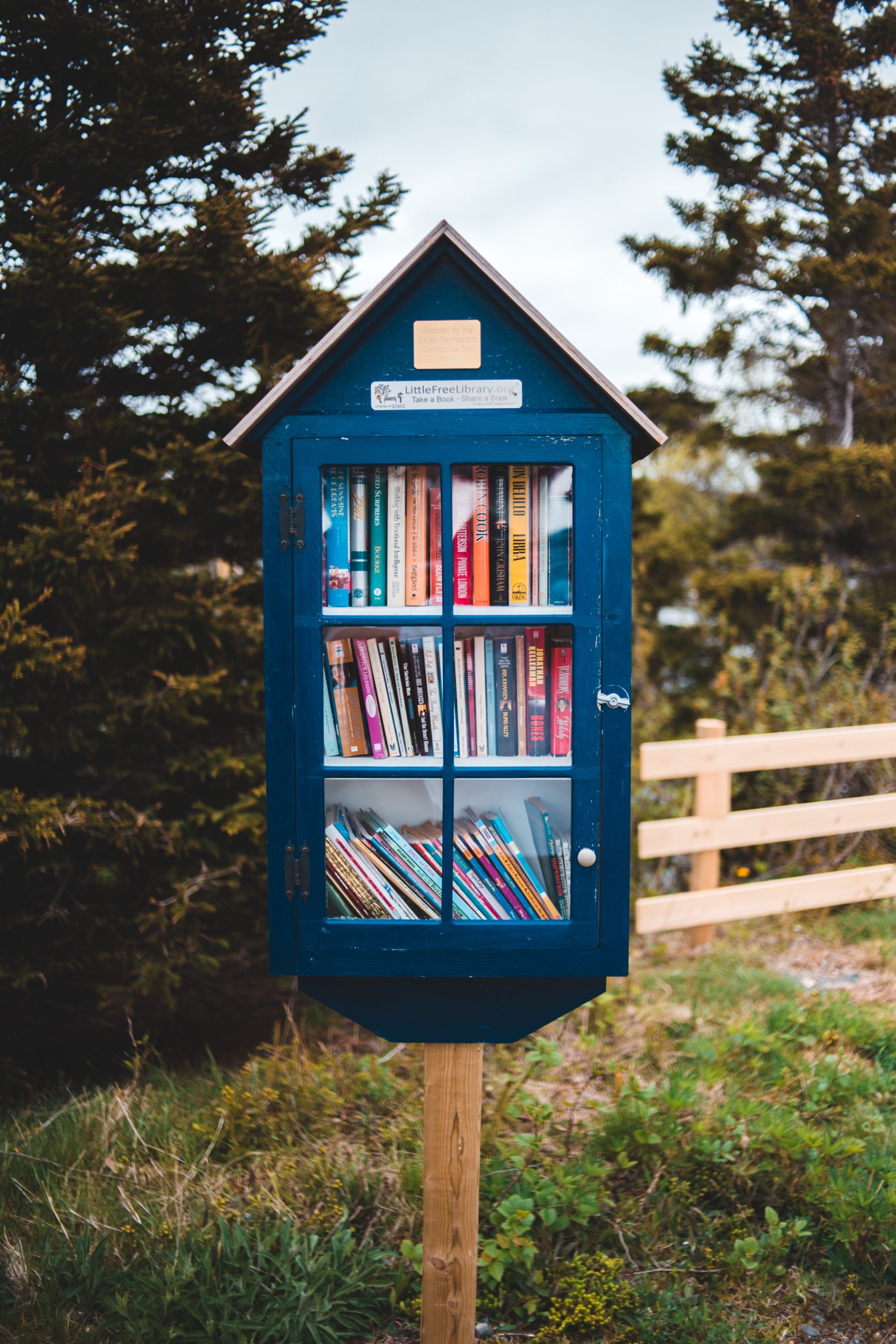
    A common conception that involves books is that, if it’s good, it can take you to another time or place. Whether the story is set in the past, present, or future, authors of fiction create their own societies, laws, technologies, and social and political circumstances. Given the number of books that have been written throughout history, it is inevitable that some of them contain events or inventions that didn’t exist at the time the author wrote the book. Here are some examples of books that actually predicted the future:

    The Parable Series:

    Although the writer Octavia E. Butler passed away before she could complete the third book in the trilogy, she created a dystopian universe in Parable of the Sower (1993) and Parable of the Talents (1998) that contained the uprising of a populist demagogue. When published, the books were well received, but it is more recently that they have gathered another type of attention due to the distinct similarities between the society created by Butler and the one we live in today, such as global warming, powerful corporations, and social inequality. Yet, the strangest prediction came in Parable of the Talents, that featured a conservative preacher who runs for president using the slogan ‘Make America Great Again’.

    1984:

    The dystopian novel written by George Orwell anticipated so many aspects of the future that it has become one of the most talked about books when it comes to circumstances in which technology makes any attempt to control features of society. The term ‘Big Brother’ that refers to the abuse of government power, involving surveillance specifically, came from the book. There are two specific examples from the book that come too close to current technological aspects that we possess today are firstly the ‘telescreen’, which is basically a large television put to use to track people’s personal lives and one that is able to identify anybody simply based on facial expressions and heart rate. Secondly, the ‘Versificator’ is a machine that can produce music or literature in a very similar way that current artificial intelligence technology does today.

    The Machine Stops:

    In this 1909 book written by E.M Forster, the writer created a future where society live and work solely from their own rooms, withholding all forms of communication with each other through electronic devices. The characters from the book can be seen creating and sustaining their ‘friendships’ completely through electronic communications, which eventually leads them to become somewhat phobic about leaving their rooms or meeting people face-to-face. Specially in 2020, most of the world’s population was forced to adapt to working from their homes and only communicating with their loved ones through electronic means.

    Fahrenheit 451:

    Although when the book was published in 1953, television was already America’s go to source for entertainment. Most of what was shown on television at the time consisted of mysteries, scripted comedies, news programs, and game shows, however, in the book Bradbury includes the idea of what we now know as ‘Reality TV’. Adding that it is more interesting to see how humans would react to technology more than the technology itself. He predicted how society would become more and more reliant on their television, even more so when compared to their home lives and their personal relationships.

    A Song for a New Day:

    Sarah Pinsker’s book was published in September, 2019–and it was even written two maybe three years beforehand–and it takes place in a society that has to learn to live with a large number of domestic terrorism and a dangerous global pandemic. This causes the government to outlaw any gatherings beyond a certain amount of people and how this affected the livelihood of people who relied on social gatherings to make money.

    The Wreck of the Titan:

    This book was written by Morgan Robertson and was originally published with the title ‘Futility’ in 1898. The story is based on an enormous ship containing thousands of passengers, that are eventually killed when the ship, named The Titan, hits an iceberg and sinks in the freezing waters of the Atlantic Ocean. The Titan was said to be the ‘largest ship of its time’ and was also described as being low on lifeboats–just like the Titanic was.

    It is difficult to know whether these books served as inspiration for some of the events that later unfolded in our society or if these are just major coincidences that will forever make us question the world we live in today.

  • What types of Literature are there?

    What types of Literature are there?

    Although ‘literature’ can be the name given to any written work, it applies especially to artistic or intellectual pieces of writing. The language that is used in literature is different to the one we use in ordinary settings. The difference between them is that in literature, artistic tools are used to create aesthetic beauty.

    Here are the main types of literature:

    Drama: In literature, drama is a play and it is composed by a playwright, this means they can portray fictional or nonfictional stories. Drama can be used to explain certain events, characters, or stories using dialogues. There are different types of Drama:

    • Comedy: In Drama, Comedy applies a lighter tone, and its purpose is to provide humour and amusement.
    • Tragedy: In Drama, Tragedy tends to have a darker theme, usually portraying pain, suffering and sometimes death.
    • Musical Drama: In Drama, Musical Dramas tell a story with songs, music, dance and dialogues.
    • Melodrama: In Drama, Melodrama will portray emotions in an exaggerated way, often seen as tension or excitement. These emotions echo through the audience and will make them more indulgent.

    Autobiography: The author, or teller of the story is usually who the story is about and you get a description of their life from their own perspective. This gives you an insight into someone’s life on a more personal level.

    Poetry: In literature, Poetry is the composition of rhythm, sound and lyrics. Poetry is usually aesthetic and the poet will choose their words carefully so the reader can relate to them. The main types of poetry are: sonnets, haiku, free verse and acrostic poems.

    Science Fiction: Also known as ‘sci-fi’, this type of literature relies mostly on imagination and fantasy. They often tie into real scientific laws and they equally rely on imaginations based on assumptions.

    Prose: This is the form of literature that is usually the most plain and simple. There is no technical grammar structure or a certain writing pattern for you to follow. It is expected to be read and written in a usual conversational tone than will then translate into natural speech.

    Fable: Fables are used when the intention is to provide a moral story, and they usually include animals as characters. They serve as the personifications of human characteristics and their nature.

    Biography: In literature, Biographies tell the stories from another person’s point of view and it is not written by the subject himself. Its intention is to enlighten the audience by including different aspects of somebody’s life.

    Whatever type of literature you are interested in creating, it should all depend on your target audience and the message you want to put across.

  • Cultural Differences

    Cultural Differences

    Cultural differences can be seen as various beliefs, behaviours, languages, practices and expressions that are considered one of a kind to the members of a certain ethnicity, race or national origin.
    While most members of society have more similarities than they do differences, these differences can result in issues that stem from culture clash.

    Every culture will have a certain way of doing things that are deemed polite, but will come off as rude and disrespectful in different cultures.

    Here are some examples:

    Feeding in Ethiopia.

    In Ethiopia, it is common to feed another person as a sign of love and friendship and it is deemed rude if you do not accept the food you are being offered.

    Nudity in Iceland.

    In Iceland nudity is quite a normal sight to behold. It applies to both men and women and it comes with no backlash.
    This doesn’t apply to swimming pools, in order to use them you must first shower while the pool guard verifies that you do so and put on your bathing suit. Only then can you enter the pool.

    Greetings in Japan.

    In Japan it is deemed appropriate to ask a person’s age. Due to the Japanese language being to diverse and complex, there are different words you can use that depend on the age and social status of the person you are talking to.

    Hand Gestures in Turkey.

    Hand gestures are seen as rude in Turkey, simple hand gestures that could be deemed as harmless could mean something entirely different and disrespectful in Turkey.

    Gift Giving in China.

    In China, giving people certain gifts can be offensive, such as gifting cut flowers, which is only done at funerals.
    Gifting somebody a clock is also deemed inappropriate and is supposed to enforce bad luck.

    Touching People’s Heads in Malaysia.

    Touching the head of a baby or an adult can come off as rude in Malaysia. Pointing your finger is also seen as a negative thing and should be avoided.

    Being Late in Tanzania.

    It is considered rude in Tanzania to show up on time for dinner, you must show up 15 minutes late at the earliest. And when you do arrive, do not mention that you can smell the food as that is also a rude gesture.

    Throwing Tomatoes in Spain.

    There is a festival in Spain called La Tomatina. It consists of people who are participating in the festival who throw tomatoes at each other for around 1 hour. Although it sounds like it could be harmful, there are rules you must adhere to:

    • Throwing or ripping t-shirts is not allowed.
    • Hard objects or bottles are not allowed.
    • The tomato must be squashed beforehand so it can’t be used to harm somebody.
    • When you hear the loud signal, this means the festival has come to an end and you must refrain from throwing anything you have in your hands.

    Traveling to new countries is always going to be an experience, but in some countries, there are things that are seen as inappropriate or rude that to us seem completely fine and normal. If you are traveling to a new country it is always best to gain as much information as you can before your visit so that you can avoid any misunderstandings with the residents of the country you are visiting.