Author: Marko Vandev

  • One Meal A Day vs Three Meals A Day – Which Diet Wins?

    One Meal A Day vs Three Meals A Day – Which Diet Wins?

    The debate between one meal a day (OMAD) and three meals a day (TMD) is an ongoing topic among health and fitness enthusiasts. Both diets have their fair share of advantages and disadvantages. In this article, we will discuss the pros and cons of each diet, so you can decide which one is best for you.

    One Meal A Day (OMAD) Diet

    The one meal a day diet is exactly as it sounds – you eat only one meal a day. This meal can be consumed at any time of the day, but most people prefer to eat it in the evening. Here are some of the pros and cons of the OMAD diet:

    Pros:

    1. Easy to follow – since you only have to worry about one meal a day, it’s much easier to stick to this diet compared to other diets that require multiple meals and snacks throughout the day.
    2. Reduces hunger – by eating one meal a day, you will experience a significant reduction in hunger since you will be consuming all your calories in one sitting.
    3. Saves time – since you only have to worry about one meal, you will have more free time to do other things.
    4. Weight loss – the OMAD diet is an effective way to lose weight, as you will be consuming fewer calories overall.

    Cons:

    1. Nutritional deficiencies – it can be difficult to get all the necessary nutrients and vitamins in just one meal.
    2. Binge eating – since you only have one meal to look forward to, there is a chance that you may binge eat, which can be harmful to your health.
    3. Low energy levels – some people may experience low energy levels and fatigue since they are consuming all their calories in one meal.

    Three Meals A Day (TMD) Diet

    The three meals a day diet is the most common diet that people follow. It involves eating three meals a day, usually breakfast, lunch, and dinner. Here are some of the pros and cons of the TMD diet:

    Pros:

    1. Balanced nutrition – eating three meals a day ensures that you get all the necessary nutrients and vitamins that your body needs.
    2. Better digestion – by eating smaller meals more frequently, you can improve your digestion and avoid bloating.
    3. More energy – by eating smaller meals throughout the day, you can maintain your energy levels and avoid feeling tired or sluggish.

    Cons:

    1. Overeating – since you have three meals to look forward to, there is a chance that you may overeat, which can be harmful to your health.
    2. Time-consuming – preparing three meals a day can be time-consuming and may not be practical for people with busy schedules.
    3. Temptation to snack – by eating multiple meals throughout the day, you may be tempted to snack in between meals, which can lead to weight gain.

    In conclusion, both the OMAD and TMD diets have their advantages and disadvantages. It’s important to consider your lifestyle and personal preferences before deciding which diet to follow. The OMAD diet is great for people who want to save time and reduce hunger, but it may not be practical for everyone. The TMD diet is a great option for people who want to maintain balanced nutrition and avoid overeating, but it can be time-consuming to prepare three meals a day. Ultimately, it’s up to you to decide which diet works best for your lifestyle and health goals.

  • Longevity… Available for All?

    Longevity… Available for All?

    Can we all live longer in the future?

    There are about a hundred theories of aging, but all of them express two opposing positions, in one way or another. The first says that aging is a programmed, inevitable process. The second states that aging is preventable, and we all could “live forever”. Looking back at the history of the mankind, one could tell that, most likely, the aging process is somewhat predetermined. To the date, we have not seen people living forever. At some point, our biological adaptation system stops correcting errors and repairing breakdowns that occur in cells as the life goes on. So, aging is a result of errors that happens to our cells [1]. Yet in the era of total digitalization and genetic engineering old age stops looking so fatal. The process of rejuvenation can be looked at as cleansing the body of old cells. What happens when the immune system becomes less effective and fails to enforce a programmed apoptosis to old cells that stop dividing? Okay, clearly this is bad when the cleansing stops, but it sounds like something that people can deal with. Let’s see what technologies are on offer.

    One of popular theories of aging focuses on senescent cells that are growth-arrested cells that cause inflammation and play a causal role in aging. Senescent cells demonstrate the senescence-associated secretory phenotype, producing a mix of molecules that trigger chronic inflammation and tissue dysfunction. Addressing this issue, a number of novel senolytics biotech companies focus on various means of selectively destroying the senescent cells that accumulate with age. This is the logic behind  technology provided by Unity Biotechnology (USA), among a handful of other companies in the sector [2]. They developed a method to selectively eliminate senescent cells using senolytic drugs. According to the researchers, this technique prevents age-related diseases and literally turns back the clock as tissues return to their healthy state.

    They are using advances in molecular biology to increase life expectancy, and more specifically, the period of time when a person is healthy. So far, Unity Biotechnology tested its drug on people with osteoarthritis. However, the company’s experts are confident that senolytics can improve the condition of the heart, lungs, eyes, and even restore some cognitive functions. In general, to prevent or correct all those things that we used to perceive as processes that inevitably accompany aging. According to independent experts, the Aging theory, based on the accumulation of senescent cells, and the development of senolytic drugs hold a certain promise.

    Peter Diamandis, founder of the X-Prize Foundation and co-founder of Singularity University [3], is confident that in just 30-50 years, a centenarian will feel 60, and people will live up to 150 years. His X-Prize Foundation supports breakthrough technologies that are aimed at improving the lives of the entire humankind. Their research received multiple awards in several categories, including those related to solving of the aging problem. In addition to the Foundation and Singularity University, Diamandis founded Human Longevity Inc. As part of the “Health Nucleus” program, physicians fully examine the patient’s genome and perform full-body MRI scan. Using machine learning, experts analyze all the data received and provide their understanding of the patient body’s processes. According to the researchers, this allows to detect health problems at an early stage.

    However, other theory and its adepts suggest that Diamandis’ forecasts are too optimistic. According to calculations, by the end of the 21st century, the average human life expectancy on the planet will be around 90-100 years. This prognosis assumes that genetics is one of the key factors underlying longevity [4]. According to prolonged records, the longer a person lives, the greater the genetic background of her longevity. If somebody lives to be 90-95 years old, as a rule, it is not accidental. So, there is heredity and some kind of genetic basis, and the outliers are rare.

    Scientists have indeed discovered over 500 genes that are associated with lifespan. In the future, researchers will be able to synthesize one or more of these genes and integrate them into the human genome using, for example, CRISPR / Cas9 technology. However, while theoretically such a project is feasible, at the same time, even the present “longevity gene” may not be activated, or there can be a gene for the age of the associated disease, which can “turn on”. Finding ways to influence gene expression is another promising area for researchers.

    According to Peter Diamandis, in the near future, procedures using stem cells will be carried out everywhere. In the first place, they are necessary for the treatment of degenerative and autoimmune diseases. However, in the future, whole organs will be grown from stem cells. The futurologist suggests taking these cells from the placenta, which is discarded after childbirth in 99.9% of cases. He insists that stem cells from a single placenta can be enough for hundreds or even thousands of people.

    The idea of using stem cells is not new, as well as the idea of rejuvenation that goes back several thousand years. In 2016, the founder of a start-up Ambrosia Jesse Karmazin offered wealthy businessmen – mainly from the Silicon Valley – to transfuse the plasma of the young people’s plasma transfusion. Each procedure cost $ 8 thousand. However, in the spring of 2019, the US Food and Drug Administration announced that the technology has no clinically proven benefits. A few hours later, Ambrosia spokesman announced that the company will be dissolved, but in 2019 it was reported that they were back in business [5].

    New start-ups appear on the market almost every week, developing innovative methods of fighting aging. For example, the Cellularity project has raised about $ 250 million in investment to research the effects of stem cells on rejuvenation. British investor Jim Mellon promised that the medical developments of his startup Juvenescence will help everyone overcome the 120-year milestone [6]. According to him, this will be possible thanks to drugs that prevent many age-related diseases – neurodegenerative, heart, joints, etc. Even the demise of Ambrosia has not pull the plug on the research into the effects of young blood for geriatric patients – for example, a clinical trial is underway at Stanford University (USA), in which scientists are trying to find out if injections of child plasma can help patients with Alzheimer’s disease.

    According to Statista, by 2026 the global market for anti-aging products reach $88 billion [7]. Peter Diamandis argues that extending active life expectancy even by 20-30 years will have a tremendous impact on this market. It is already developing at an unprecedented speed, constantly offering the consumer new developments. For example, the supercomputer IBM Watson uses deep machine learning and neural networks to find ways to treat cancer and other diseases, including age-related ones. And digital models of human organs in virtual projection fully convey the appearance of a real organ. This helps surgeons hone new skills for them, consolidate the accuracy and complexity of the procedure, and minimize the likelihood of error…

    …This list of advancements and achievements can go on and on, but will these technologies be available to all, or just to a privileged class? In other words, how much will it cost? The costs of human genome transcription are in the region of $1000, yet not covered by any health insurance policies or National Health services, so you can expect to pay at least that amount. And the rest is still a mystery, but the price tag on the controversial Ambrosia’s treatment ($8000) seems like a good guess. Which makes it unlikely to include wide masses.

    Regarding the timeline – the pioneering companies, like X-Prize Foundation, provide a rough estimate of 30-50 years. In the end, those who are genetically pre-disposed to longer life span will most likely benefit from these technologies – because they will live to see it. And the descendants of “short-livers” if they still will be interested.


    References:

    1. J. Tower, Programmed cell death in aging, Ageing Res Rev. 2015 Sep; 23(Pt A): 90–100. https://www.ncbi.nlm.nih.gov/pmc/articles/PMC4480161/

    2. Rearson, A Review of Senolytics Biotech Companies, Fightaging.org, December 22nd, 2020,

    https://www.fightaging.org/archives/2020/12/a-review-of-senolytics-biotech-companies/

    3. S. Buhr, With $250 million, Peter Diamandis’ new startup is all about taking stem cells from placentas, Techcrunch.com, February 2018, https://techcrunch.com/2018/02/15/peter-diamandis-new-startup-is-all-about-taking-stem-cells-from-placentas-so-we-can-live-forever

    4. K. Christensen, T.E. Johnson, & J.W. Vaupel, The quest for genetic determinants of human longevity: challenges and insights, Nat Rev Genet. 2006 Jun; 7(6): 436–448. https://www.ncbi.nlm.nih.gov/pmc/articles/PMC2726954/

    5. E. Mullin, EXCLUSIVE: Ambrosia, the Young Blood Transfusion Startup, Is Quietly Back in Business, onezero. Onezero.com, Nov 8, 2019, https://onezero.medium.com/exclusive-ambrosia-the-young-blood-transfusion-startup-is-quietly-back-in-business-ee2b7494b417

    6. Rearson, A Rate of Living Approach to the Concept of Programmed Aging, Fightaging.org, January 5th, 2020, https://www.fightaging.org/archives/2020/01/fight-aging-newsletter-january-6th-2020/

    7. Statista, Size of the anti-aging market worldwide from 2020 to 2026,

    https://www.statista.com/statistics/509679/value-of-the-global-anti-aging-market/

  • 10 Things That Are Better Today Than They’ll Be In The Future

    10 Things That Are Better Today Than They’ll Be In The Future

    When we think of the future, we always have the tendency to consider what will improve in our lives and the world. However, when you think about it, there are many things that we take for granted today that are not likely to improve in the future. Today we’re going to share with you ten things that are better today than they’ll be in the future.

    1. Cost of Living

    As a result of the recent pandemic, it’s almost certain that taxes around the world will continue to increase. Our cost of living rises year after year, and this is one area that’s highly unlikely to be better in the future. Make the most of the lower cost of living and invest well now to set yourself up for the years ahead.

    2. The Weather

    Over the past decade, we’ve all become aware of the impact of climate change on our world. As the air temperature rises, expect more rainfall around the world, which may also be more intense. Changes in wind patterns may result in more natural disasters and damage to the world around us.

    3. Privacy

    As we all spend more and more of our lives online today, whether that’s for personal or work reasons, concerns surrounding privacy are continuing to increase. Expect data to be more readily available in the future, so be careful with your digital reputation starting now.

    4. The Natural Environment

    Working hand-in-hand with the weather and climate change, it’s likely that our natural environment will change dramatically in the upcoming years. Expect beautiful destinations in the world to no longer exist and overcrowding to destroy some of the more deserted travel destinations.

    5. Cheaper Outsourcing

    If you use outsourcing within your business currently, this is likely to increase in price in the future. Individuals around the world are noticing the benefits of working online and freelancing, which begins to push up the price of outsourcing.

    6. Opportunities to Live Overseas Cheaply

    Whether you already travel overseas regularly or are hoping to take advantage of working from home in the future, now is the time to travel. With more people working remotely, this will begin to push the cost of living and renting an apartment in popular digital nomad locations such as Medellin and Tbilisi much higher in upcoming years.

    7. Work-life Balance

    The last year has been a struggle for many of us as far as work-life balance. With the increasing reliance on technology for our jobs, this is likely to only get worse. Companies are expecting employees to be plugged in 24 hours a day, which will take its toll on our mental and physical health.

    8. Investing Opportunities

    People are slowly beginning to understand the benefits of investing, which is increasing the number of advertisements for this around the world. Investing is likely to become far more competitive and less lucrative in the future due to the increase in its popularity.

    9. Ease of Relocating

    Relocating today, whether within your home country or further abroad, can be reasonably simple, depending on your situation. With challenges such as Brexit and the tightening of immigration laws around the world, this freedom of movement is likely to be reduced in the future.

    10. Launching a New Business

    With so many individuals finding themselves unemployed last year, people have taken this free time to launch new businesses. Depending on the industry you are planning to launch into, now is the best time to consider your next business venture. With hundreds of businesses launching each day, it’s only becoming more challenging to stand out from your competitors.

    We hope these ten things that are better today than they will be in the future have given you something to think about. What do you think is better today than it will be tomorrow? It’s certainly an interesting topic to consider and one that can help us make the most of the present-day and appreciate everything we have at this moment in time.

  • 10 Things About To Improve Life In The Next Decade | Digital-First World

    10 Things About To Improve Life In The Next Decade | Digital-First World

    We are rapidly heading towards a digital-first world, and this exciting time of robots, artificial intelligence, and remote work is about to change the way we live entirely. Let’s take a look at 10 incredible things about to improve life in the next 10 years.

    5 Ways Robots Will Improve Quality Of Life

    1: Healthcare is undergoing remarkable development thanks to robots. Removing human error from complex and risky operations, robotic arms provide a higher quality of healthcare for those most vulnerable in society. As technology improves and develops over time, we may see robots taking over many minor operations too, and perhaps moving into dentistry.

    2: Not only are robots, artificial intelligence, and automation improving the healthcare industry worldwide, but robotics are also being designed to care for an aging population around the world. Providing companionship, our new digital-first world will roll out robots into care homes to ease stress, anxiety, and loneliness.

    3: Another way our lives will be improved in the next 10 years is through the introduction of self-driving vehicles. Robots on the road will significantly reduce the number of road traffic accidents by removing drink driving incidents, collisions due to distracted drivers, and crashes caused by medical emergencies behind the wheel, just to name a few.

    4: Robots will also be taking on risky jobs that humans currently do, such as working in nuclear power plants, search and rescue and bomb disposal. So, step aside when it comes to high-risk work environments and let robots help safeguard mankind.

    5: Humans are naturally creative, but when daily chores and work fill up our time, creativity is put on the back burner.  Robots will soon be gifting us all valuable time by optimizing daily tasks and allowing us to develop our imagination and have more time to be creative.

    5 Ways Daily Life Will Be Different

    1: If the global pandemic has taught us anything, it’s how accepting many industries now are of remote work. In order to evolve and take advantage of talent around the world, remote work must become our new norm. Thanks to technology and high-speed internet, remote work is here to stay!

    2: In a digital-first world, there will no longer be a need to go to the supermarket and pick up groceries. Your fridge will store your groceries’ database and provide an accurate grocery list when you need to restock. It will then send an order request to your supermarket of choice, and an autonomous vehicle will deliver your goods. The technology is already available to make this a reality; we just need to implement it within our homes.

    3: Thanks to the internet, education is limitless, with a vast amount of educational content widely available online for free. In the next 10 years, education, especially higher education, will likely be taught entirely online, allowing people to travel and study simultaneously. This will also complement a rise in remote work!

    4: Digital currencies are set to replace coins and notes, reducing the need to carry cash in the next couple of years. In fact, China has already made the switch to digital currency by introducing the cyber yuan, which tracks spending in real-time. It’s expected that more countries will follow suit over the next 10 years.

    5: Diet is set to change significantly over the next decade, as more people move towards a plant-based diet or become 100% vegan. With more time on our hands, thanks to technology improving daily life, more people will spend time improving their health and diet, including growing their own food and foraging rather than visiting the supermarket and living a more sustainable, eco-friendly lifestyle.

    Most Popular Picks from our content library:

    Everything Will Be Alright Episode 10: Dr. Ben Goertzel

    Everything Will Be Alright Episode 9: Project Censored

    Everything Will Be Alright Episode 8: Alex Grey

    Everything Will Be Alright Episode 7: Dr. Geoffrey Landis

    Everything Will Be Alright Episode 6: Dr. Shana Lavarreda

    Everything Will Be Alright Episode 5: Jamais Cascio

    Everything Will Be Alright Episode 4: Rod Roddenberry

    Everything Will Be Alright Episode 3: Dr. Behrokh Khoshnevis

    Everything Will Be Alright – Episode 2: Dr. Terry Wahls

    Everything Will Be Alright Episode 1: Dr. Peter Diamandis

  • The Future of Travel After the Coronavirus

    The Future of Travel After the Coronavirus

    The entire world is ready for the coronavirus to be over. After spending more than a year in isolation and financial hardship, people want to live their lives again. One of the things that everyone wants to do the most is travel.

    The airlines and hotels have already reopened. However, it still doesn’t feel like things are back to normal. There are still mask-wearing requirements in almost every public setting in the world. And when you travel to another state or country, you’re still required to remain in quarantine for an X number of days.

    What will travel be like after all the restrictions get lifted? Will the travel industry recover? We predict they will! Below are the top 6 groups that will be radically better for travel after the coronavirus.

    1) Location Independent Workers

    Traditional freelancers and artists have been stuck at home for the past year with nothing to do and no way to earn a living. That is one of the downfalls of being a location independent worker in the middle of a pandemic.

    The good news is that location independent workers will soon travel again for jobs and inspiration. The post-coronavirus world will have an influx of independent workers getting on airplanes and travelling to other cities and countries to thrive in their self-made professions.

    2) Digital Nomads

    Most digital nomads have been able to survive the pandemic because they make their living on the computer. However, all their communications with clients have been through telephone or video conference calls. No one has met in person since March 2020.

    Digital nomads already spend enough time on the computer alone. They are starved for physical human contact and interactions. That is why you’ll start to see more digital nomads travelling to different cities and meeting with clients in person. Even if in-person meetups are unnecessary, the digital nomads will insist for the sake of being around people.

    3) Tourism

    The coronavirus destroyed the tourism industry in 2020. When airlines and hotels began to reopen, people were still hesitant to travel. Their worries of the coronavirus spread persisted. But that is bound to change because of the vaccine distribution efforts already underway. Once enough people get vaccinated, they’ll have more confidence to travel again.

    International tourism should pick up significantly over the next year. All the stakeholders associated with the travel and tourism industries will do much better in the coming years, including the cruise industry. Major cruise lines are already selling out their cruise packages for the summer and fall seasons. Reservations at hotels throughout the country are getting booked well in advance.

    The tourism resurgence will create and restore tourism jobs. People will stop their financial dependency on the government and go back to earning money for themselves. If people earn the kind of money they were making before the pandemic, it will motivate them to travel and take trips more.

    4) Business Travel

    Business travel has been non-existent during the coronavirus. Pretty much every professional person has relied on Zoom or Cisco WebEx video calls to conduct and attend virtual business meetings. But there is only so much that can be discussed and presented through a video chatting platform.

    Company executives and managers are anxious to attend in-person business meetings again. Most company leaders don’t like to make deals or final decisions without looking at their employees or clients in the eyes directly. So, they will be travelling quite a bit on first-class commercial airplanes or private jets to have these in-person meetings.

    5) Holidaymakers

    By the end of 2021, holidaymakers will reunite with their families. They will fly or drive cross country to be with them after a year of separation. Some families will even go on vacations to Hawaii, Greece, Italy, and other exotic destinations they’ve dreamt about for a long time now.

    It doesn’t matter if it’s the holiday season or not. People will use whatever vacation time they have left at their jobs to create holiday time for themselves and their families.

    6) Nationwide In-Person Meetings

    Hotels and conference centres had refused to host business meetings because of the social distancing restrictions. Once those restrictions get lifted, nationwide in-person meetings will come back in a big way.

    It was always normal for major company representatives to travel to different states for meetings and presentations. A lift on the travel restrictions means that nationwide in-person meetings will grow exponentially.

    Final Words

    The future looks very bright for travel in a post-coronavirus world. Businesses can thrive, and families can spend more time together. More people will be employed, which means they’ll have more money to travel.

    The only downside is that travel insurance costs will rise. When the pandemic first struck in March 2020, many travellers got stranded on cruise ships and unfamiliar towns and cities. Those without travel insurance policies lost out on the money they invested in their travel itineraries at the time.

    Travel insurance companies still received thousands of claims from people with travel insurance policies. For this reason, you can expect travel insurance costs to rise in 2021 and the years to come. Travel companies want to prepare in case another pandemic ever strikes their industry again.

  • Future for Genomics, Therapeutics, And Longevity

    Future for Genomics, Therapeutics, And Longevity

    Genomics refers to the study of the human genome, therapeutics refers to the treatment of diseases that is based on the administration of medicines that aim at reducing these diseases or preventing them from occurring altogether while longevity refers to the lifespan a person has before their demise.

    There is a correlation between the three with concepts regarding the human genome being used to produce drugs that target various stages of the genetic cycle and ensuring that life is prolonged amongst people suffering from fatal diseases. In the past, genomic studies have been used in research projects that enabled the discovery of drugs and synthetic manufacture of some such as insulin that has enabled the treatment of people suffering from diabetes mellitus (Mandal, 2019). Synthetic insulin has been crucial in prolonging the lives of diabetics and bettering their health conditions.

    This paper pays close attention to genomics, its use in therapeutics, and its influence on longevity in the future. We strongly believe that the fast adoption of Genomics and accessibility to testings will make genomics testing the new normal in the future to clinical disease diagnosis and prognosis.

    In the recent past, human beings have begun viewing aging as a disease (Diam, 2020). They have shifted from the past view of this phenomenon as an inevitable natural condition that cannot be evaded.

    There have been significant efforts by genomic scientists to understand this phenomenon and perhaps enable them to reverse it. Huge support has emerged for proponents of such ideas who have received enormous financial and resource funding to enable them to carry out their work efficiently (Green et al., 2020).

    Scientists advocating for this view have carried out gene sequencing studies to understand the role of genes and human DNA in the aging process. These scientists recon that should they find the genes involved in aging, they can develop medicines that harbor the actions of these genes, ensuring that the body continues to thrive, evading the destruction phenomenon of aging that climaxes at death (TMF, 2020).

    A breakthrough is surely on the horizon for these scientists. In a few years, scientists will discover the genes responsible for aging. They will develop appropriate sequencing measures that will enable them to manufacture drugs that arrest the aging genes. Arresting the actions of the genes responsible for aging will ensure this phenomenon is kept at bay and people do not age, preventing death. Longevity in life will also be achieved.

    The current state of relating genomics to longevity looks promising. Glycan tests are becoming ever more available, accessible and accurate. These tests can play a vital part in determining people’s biological age over their chronological age.

    The impact of various diseases on the human body genes has been given proposed as a reason for aging. These diseases significantly harm the human genome interfering with various genes.

    The affected genes act as triggers for the cells to slow down the replication process. Decreased replacement of worn-out cells as a result of decreased genetic stimulation leads to saturation of the body with old cells(Franck, 2019). The phenomenon of aging is therefore well and truly underway.

    Genomics aims at providing preventive medicines that target the genes that are responsible for slowing down cell replication after infection. Others seek to provide prevention medicines that prevent almost all diseases from occurring in the first place, rendering the planet disease-free. This initiative is bound to ensure the rate of cell replication remains constant throughout life (Chinese Academy of Sciences, 2021). Such efforts are bound to contribute to longevity. With the triggers to reduced cell division reduced and the switches eliminated, longevity is bound to be achieved and the human is bound to live longer.

    This will ensure that humans have more control over the lives they lead and how their lives come to a halt. This is only possible if genomics continues advancing at the current or faster rate.

    Diseases such as cancer have been the hallmark of global medicine for a while now. Cancer is caused by the rapid and uncontrollable division of abnormal cells of the body. These compete with the normal cells for oxygen and nutrients. When the normal cells are starved of the requirements, they become weak and die. This is how cancer leads to death. Cancer also has a high mortality rate wiping out huge chunks of the global population (Baer, 2020).

    Cancers occur due to a glitch in the cell division cycle. This is potentially an error in the instructing of the body. This error occurs in the genomic sectors of the body. Genomics targets to identify the glitches that occur in the genes during each cancer and come up with specific medicine that deals with that error in the genome. In a few years, genomics will be capable of producing drugs for each cancer that tackle the errors occurring in the cell division machinery (Modern Healthcare, 2019).

    These drugs will aid with the eradication of these cancers in their entirety.  Elimination will boost lifespan and ensure longevity, aiding in the achievement of this human vision.

    In conclusion, the genome project is the future of healthcare and medicine worldwide. There have been tremendous steps made in ensuring that the genome is understood adequately and appropriate inventions made along that line.

    The ones mentioned are sufficient examples of what human ingenuity coupled with immaculate resilience has been able to achieve. There is a need for more focus to be lent to the study of genes in detail and the development of drugs from these studies to tackle various diseases.

    This support should be in the form of sufficient budgetary allocation by various institutions. Resources should also be set aside in the form of personnel and infrastructure to enable the achievement of this noble initiative. There is also a need to ensure that people are availed with this information to ensure their optimist and participation.

    References:

    Baer, J. (2020, August 10). Digital health, genomics and extended longevity – three trends defining the future of healthcare. Julius Baer. https://www.juliusbaer.com/es/insights/future-health/digital-health-genomics-and-extended-longevity-three-trends-defining-the-future-of-healthcare/

    Chinese Academy of Sciences. (2021, January 9). Scientists Develop New Gene Therapy Strategy to Delay Aging and Extend Lifespan. SciTechDaily. https://scitechdaily.com/scientists-develop-new-gene-therapy-strategy-to-delay-aging-and-extend-lifespan/

    Diam, P. (2020, June 26). A Renaissance of Genomics and Drugs Is Extending Human Longevity. Singularity Hub. https://singularityhub.com/2020/06/26/a-renaissance-of-genomics-and-drugs-is-extending-human-longevity/

    Franck, T. (2019, May 8). Human lifespan could soon pass 100 years thanks to medical tech, says BofA. CNBC; CNBC. https://www.cnbc.com/2019/05/08/techs-next-big-disruption-could-be-delaying-death.html

    Green, E. D., Gunter, C., Biesecker, L. G., Di Francesco, V., Easter, C. L., Feingold, E. A., Felsenfeld, A. L., Kaufman, D. J., Ostrander, E. A., Pavan, W. J., Phillippy, A. M., Wise, A. L., Dayal, J. G., Kish, B. J., Mandich, A., Wellington, C. R., Wetterstrand, K. A., Bates, S. A., Leja, D., & Vasquez, S. (2020). Strategic vision for improving human health at The Forefront of Genomics. Nature, 586(7831), 683–692. https://doi.org/10.1038/s41586-020-2817-4

    Mandal, A. (2019, January 21). Insulin Gene. News-Medical.net. https://www.news-medical.net/health/Insulin-Gene.aspx

    Modern Healthcare. (2019, December 18). The future of genomics: Improving outcomes with a “sequence once, query often” model. Modern Healthcare. https://www.modernhealthcare.com/patient-care/future-genomics-improving-outcomes-sequence-once-query-often-model

    TMF. (2020, October 13). Longevity Is The Future If We Tackle Digital Health First. The Medical Futurist. https://medicalfuturist.com/longevity-is-the-future-if-we-tackle-digital-health-first/

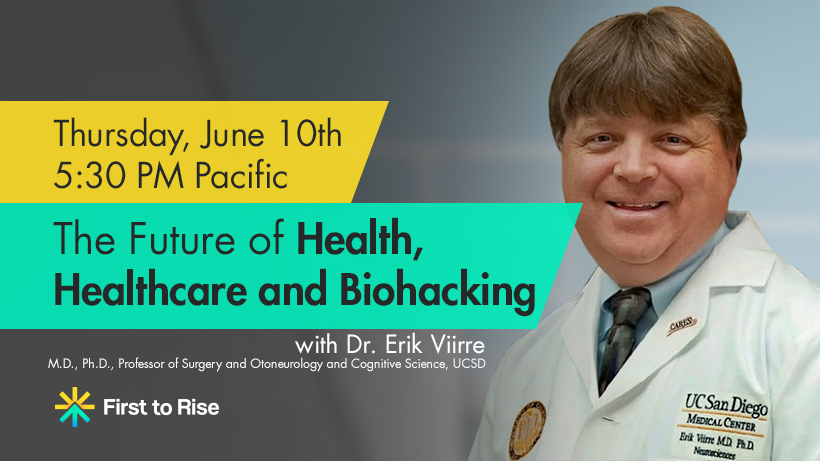
    Dr. Viirre’s thoughts on the Future of Health

    Best Health Picks from our Content Library

    Meditation, Creativity, Peace; Documentary of a 16 Country Tour

    Everything Will Be Alright Episode 6: Dr. Shana Lavarreda

    Keto. Explained. with Dr. Dominic D’Agostino

    Can damage repair give us indefinite youth?

    The Shocking Truth About The Keto Diet | Dom D’Agostino on Health Theory

    How to Live Forever with Dr. Aubrey de Grey

    Best Healthy Reads

    Biohacking, what you need to know and how it works

    Read More

    Healthy Habits You Could Add To Your Life

    Read More

    What the future of Medicine holds for us?

    Read More
  • What the future of Medicine holds for us?

    What the future of Medicine holds for us?

    Medicine is the craft, research, and experience of caring for a patient and handling their illness or disease’s diagnosis, prognosis, prevention, recovery, and palliation. Healthcare has now reached the next period of exponential advances, considering the fact that we are just two decades into the twenty-first century. Individual genetic vulnerabilities to chronic and lethal illnesses will now be detected using precision medicine technology, possibly eliminating illness decades later.  

    Precision medicine, digital therapeutics, 3D printing, immunotherapy, gene and stem cell therapies, and artificial intelligence are among the new technologies and treatments that have arrived or are on their way. People are living longer and happier lives thanks to modern medicine. Researchers, on the other hand, intend to take wellness changes even further. The future of medicine is promising, thanks to developments in genome editing, technologies to cure blindness, and attempts to address high medication prices.

    Modern medicine has greatly improved people’s health. Researchers now want to take this a step further. People are living longer and happier lives than their forefathers and mothers. But, as any medical researcher can testify, dreams are even bigger. With too much money to be made, disease prevention is becoming increasingly important in medicine. Intervention to protect people from long-term illness may start as soon as the baby is born. And, although a deterioration in health in later life of be common, the line between stable ageing and disease is still a point of contention.

    Efforts to gain more leverage over rogue immune systems, as well as to create technical alternatives to paralysis, are showing early signs of success.

    The future in medicine may be very promising indeed if obstacles to obtaining the latest therapies available can be resolved.